When to Call a Pro: A Practical Guide vs DIY Locksmith Tasks
Lock problems often happen at inconvenient times. A stiff key, a loose handle, or a door that refuses to lock properly can quickly disrupt your routine. When faced with these issues, many homeowners consider fixing the problem themselves. While some minor maintenance tasks can safely be handled at home, others require professional expertise to avoid costly damage or security risks.
Understanding the difference between manageable DIY locksmith tasks and situations that require a qualified professional helps protect both your property and your safety. Making the right decision early can prevent further complications and unnecessary expense.
DIY Locksmith Tasks Homeowners Can Handle
Certain minor lock-related issues can be addressed safely with basic tools and a careful approach. Routine maintenance, for example, is often straightforward. If a lock feels stiff or difficult to turn, applying a graphite-based lubricant may restore smoother operation. Avoid using oil-based products, as they can attract dust and worsen the problem over time.
Tightening loose screws on door handles or strike plates is another simple task. Over time, daily use can cause hardware to shift slightly. Ensuring fittings are secure helps maintain proper alignment and reduces strain on the locking mechanism.
Replacing worn weather stripping around a door may also improve how the lock engages. Misalignment caused by drafts or swelling wood can sometimes be corrected with minor adjustments. These small fixes help maintain performance without interfering with the lock’s internal components.
Cutting spare keys through a reputable key-cutting service is another preventative step homeowners can arrange themselves. Having extra keys reduces the risk of emergency lockouts.
While these tasks are generally safe, they should only be attempted if the issue is clearly minor and does not involve dismantling internal lock mechanisms.
When DIY Becomes Risky
Lock systems are more complex than they appear. Inside even a standard cylinder are small pins, springs, and components that must align precisely. Attempting to take apart a lock without proper tools or training can easily lead to permanent damage.
If a key breaks inside the lock, trying to extract it using improvised tools often pushes the fragment deeper. This can damage the internal pins and turn a simple extraction into a full replacement job.
Similarly, forcing a door that won’t lock properly may strain the frame, hinges, or multi-point mechanism. What might have been a minor alignment issue can quickly escalate into structural damage requiring more extensive repairs.
Modern UPVC and composite doors often include complex multi-point locking systems. These systems are particularly difficult to repair without specialist knowledge. Attempting to fix them without experience can lead to misalignment across the entire mechanism.
Situations That Require a Professional Locksmith
There are clear scenarios where calling a professional locksmith is the safest and most cost-effective option.
Emergency lockouts are a prime example. Attempting to force entry can damage doors, frames, and locks. Professional locksmiths use non-destructive entry methods wherever possible, preserving the integrity of your property.
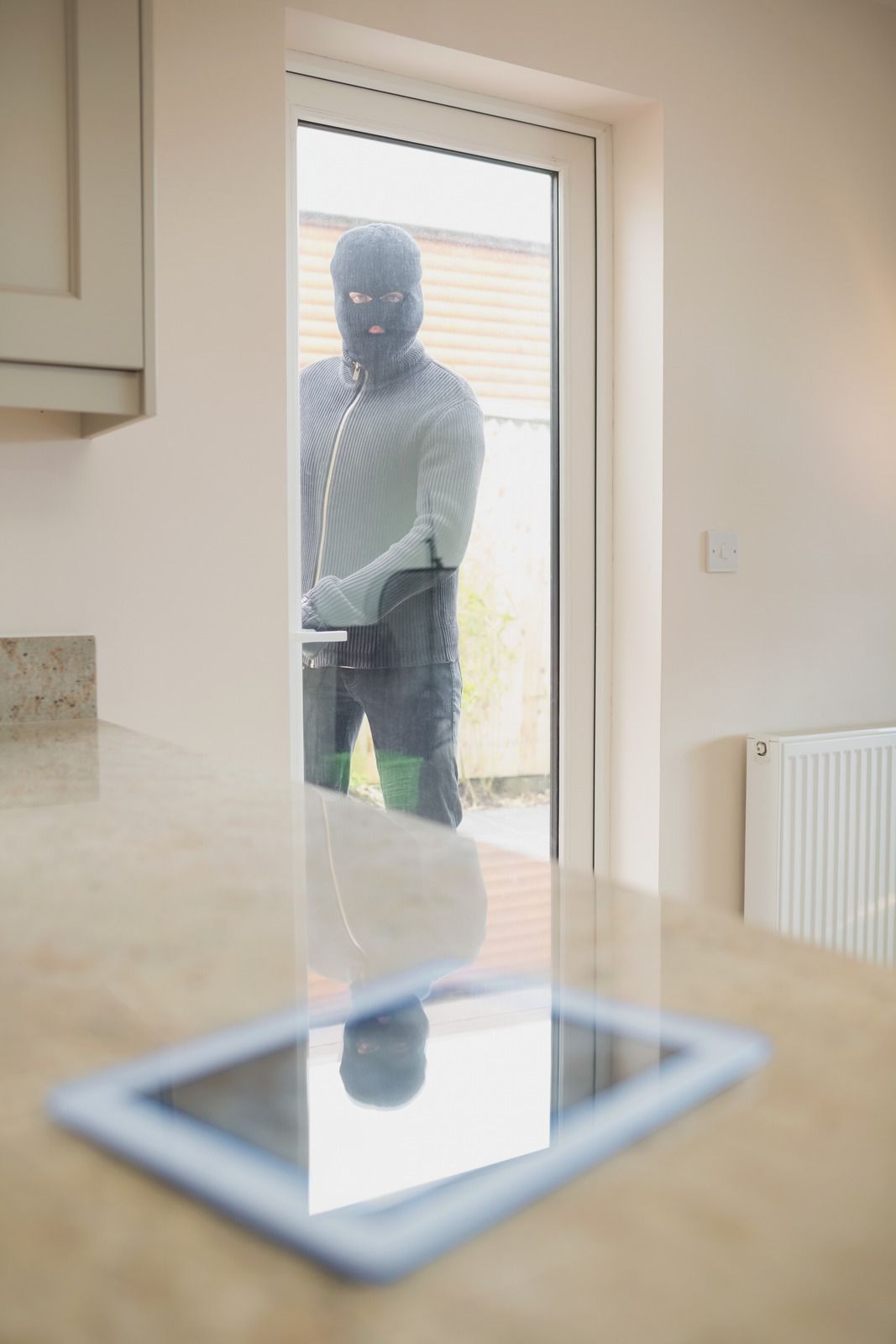
After a break-in or attempted burglary, immediate professional assistance is essential. Damaged locks and weakened entry points leave your home vulnerable. A locksmith can replace compromised components, reinforce weak areas, and recommend security upgrades.
If your locks are outdated or do not meet current security standards, professional replacement ensures proper installation and compliance with insurance requirements. High-security cylinders with anti-snap and anti-bump features must be fitted correctly to function effectively.
Smart lock installation is another task best left to trained professionals. Digital systems require precise fitting and proper configuration to maintain both physical and cybersecurity standards.
Finally, if you’ve recently moved into a new home, changing or rekeying locks should always be handled by a qualified locksmith. This ensures previous keyholders no longer have access.
Cost Considerations: DIY vs Professional
Many homeowners attempt DIY repairs to save money. While this may work for minor adjustments, improper handling often leads to higher costs in the long run. Damaged cylinders, broken mechanisms, or warped door frames can turn a small issue into an expensive replacement.
Professional locksmith services may involve an upfront fee, but they provide long-term reliability and peace of mind. Early intervention often prevents larger structural or security problems from developing.
Peace of Mind and Security
Security is not an area where guesswork should play a role. A lock may appear functional after a DIY repair but still fail under pressure. Professional locksmiths have the training and equipment to diagnose underlying issues that may not be visible externally.
Choosing expert assistance ensures that repairs are completed safely, efficiently, and in line with current security standards. For homeowners, this translates into greater confidence that doors and entry points are properly secured.
Reliable Locksmith Services in Newcastle
At Let Me In Locksmith, we support homeowners across Newcastle, UK with both routine maintenance advice and professional locksmith services. Whether you’re dealing with a minor issue or a more serious security concern, our experienced team provides clear guidance and dependable solutions.
Knowing when to handle a small task yourself and when to call a professional can protect your home from unnecessary damage and security risks. When in doubt, seeking expert advice is always the safest decision.