
Blog

Securing a commercial property requires far more than simply locking the front door at the end of the day. Offices, retail shops, and other business spaces face a wide range of security risks, from unauthorised access and employee turnover to break-ins and internal theft. A well-planned locksmith strategy helps protect assets, sensitive information, staff, and customers. Working with a professional locksmith ensures that both physical and access control systems are properly implemented and maintained. This checklist outlines the essential elements every business owner should consider when securing their commercial property.

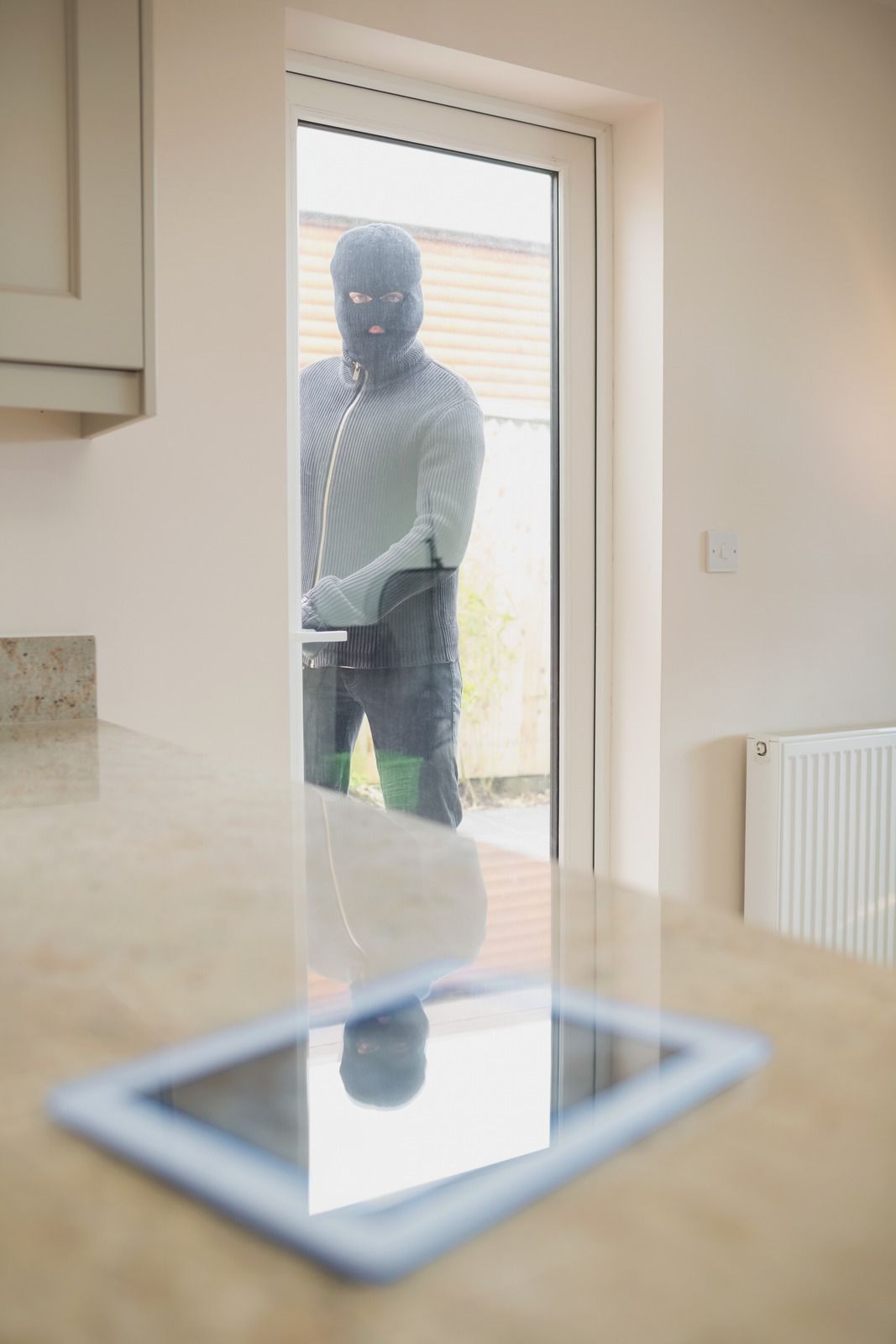
Home security is a growing concern for many homeowners, especially as burglary methods continue to evolve. While modern locks and security systems have improved significantly, intruders are constantly finding new ways to exploit weaknesses in properties. Understanding how burglaries commonly occur is the first step in preventing them. Many break-ins are not random but opportunistic, targeting homes with visible vulnerabilities such as weak locks, poor lighting, or easy access points. Even small oversights, like leaving windows unsecured or using outdated lock systems, can make a property more attractive to intruders. Being aware of these risks allows homeowners to take proactive steps to strengthen their security. In Newcastle, UK, a mix of older and modern properties means security levels can vary widely. Some homes still rely on older locking mechanisms that may not withstand modern burglary techniques. By identifying common entry methods and taking preventative action, you can significantly reduce the chances of a break-in. That’s why in this guide, we explore the most common burglary methods in the UK and how to protect your home against them.

When it comes to protecting your home, having the right door locks is not just about security—it can also directly impact your home insurance. Many homeowners are unaware that insurance providers often have specific lock requirements, and failing to meet these standards could affect claims in the event of a break-in. Ensuring your locks are compliant gives you both protection and peace of mind. Insurance-approved locks are designed to meet recognised British Standards, making them more resistant to common burglary methods. These locks are tested for durability, strength, and reliability, ensuring they provide a higher level of security compared to basic alternatives. Choosing the right locks helps reduce risk and ensures your policy remains valid. In Newcastle, UK, homes range from older properties with traditional locks to modern builds with advanced systems. This means homeowners need to be aware of what their insurance requires and whether their current locks meet those expectations. That’s why in this guide, we explore the best door locks for home insurance compliance in the UK and how to ensure your property is properly protected.

When you need a locksmith, one of the first questions that comes to mind is the cost. Whether you’re locked out of your home, planning a lock upgrade, or dealing with a faulty mechanism, understanding pricing helps you make informed decisions without unnecessary stress. Locksmith services can vary depending on the situation, time of day, and the type of work required. Many homeowners hesitate to call a locksmith because they are unsure about pricing or worry about unexpected charges. However, knowing what affects the cost can help you prepare and avoid surprises. From emergency callouts to standard lock repairs, each service comes with different pricing factors that are worth understanding. In Newcastle, UK, locksmith costs can differ based on property types, lock systems, and urgency of the job. Older homes with traditional locks may require different work compared to modern properties with advanced security systems. That’s why in this guide, we break down locksmith pricing in Newcastle and explain what you can expect to pay for common services.

When it comes to securing your home, choosing the right solution after a key issue or security concern can feel confusing. Many homeowners are unsure whether they need a full lock replacement or if rekeying will be enough. While both options improve security, they serve different purposes depending on your situation. Understanding the difference helps you make a cost-effective and practical decision without compromising safety. Whether you’ve recently moved into a new property, lost your keys, or simply want better control over who has access to your home, it’s important to act quickly. Even small uncertainties about key access can leave your property vulnerable. Fortunately, both rekeying and lock replacement offer reliable ways to regain control and improve security. In Newcastle, UK, many homes feature a mix of older and modern locking systems. Some properties can benefit from a simple rekeying service, while others may require a full upgrade to meet current security standards. Knowing when to choose each option ensures your home remains safe without unnecessary expense. That’s why in this guide, we explain the key differences between rekeying and lock replacement and help you decide which is right for your home.