Commercial Locksmith Checklist for Securing Offices and Shops
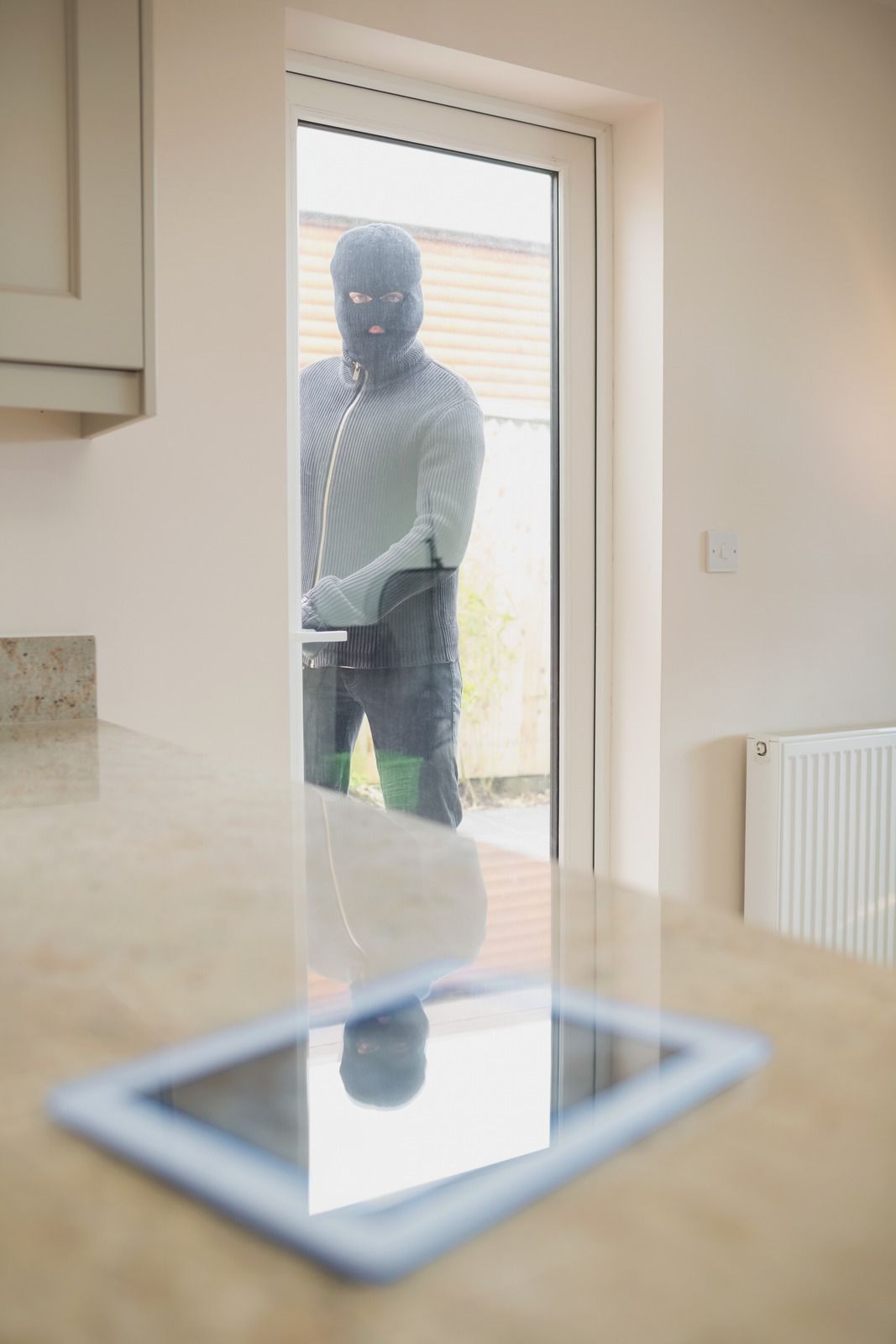
Securing a commercial property requires far more than simply locking the front door at the end of the day. Offices, retail shops, and other business spaces face a wide range of security risks, from unauthorised access and employee turnover to break-ins and internal theft. A well-planned locksmith strategy helps protect assets, sensitive information, staff, and customers.
Working with a professional locksmith ensures that both physical and access control systems are properly implemented and maintained. This checklist outlines the essential elements every business owner should consider when securing their commercial property.
Assess Entry Points and Vulnerabilities
The first step in securing any office or shop is identifying all potential entry points. This includes not only main doors but also back entrances, emergency exits, windows, storage areas, and internal access points.
A commercial locksmith will conduct a security audit to evaluate:
- Door strength and condition.
- Lock quality and compliance with standards.
- Visibility and lighting around entry points.
- Areas that may be easily overlooked or accessed.
Many security breaches occur through secondary doors or poorly maintained locks. Addressing these vulnerabilities early significantly reduces risk.
Upgrade to High-Security Locks
Standard locks are often insufficient for commercial properties. High-security locks provide enhanced resistance against picking, drilling, and unauthorised duplication of keys.
Features to look for include:
- Anti-pick and anti-drill cylinders.
- Restricted keyways. (keys cannot be duplicated without authorisation)
- Heavy-duty materials designed for commercial use.
Upgrading to high-security locks is one of the most effective ways to prevent forced entry and improve overall protection.
Implement a Master Key System
Managing multiple keys across a business can quickly become complicated, especially in offices with several departments or retail spaces with restricted areas.
A master key system allows controlled access at different levels:
- Employees can access only designated areas.
- Managers can access multiple sections.
- Owners or administrators have full access.
This structured approach improves security while simplifying key management. It also reduces the risk associated with carrying multiple keys.
Consider Keyless Entry Systems
Modern businesses increasingly rely on keyless entry solutions such as digital locks, keypad systems, and smart access control.
These systems offer several advantages:
- No risk of lost or copied keys.
- Easy access updates when staff changes.
- Remote locking and unlocking capabilities.
- Audit trails showing entry activity.
Keyless systems are particularly useful for businesses with high staff turnover or multiple shifts. They provide flexibility while maintaining strong security control.
Install Access Control Systems
For larger offices or commercial spaces, advanced access control systems provide an additional layer of protection. These systems regulate who can enter specific areas and when.
Common access control options include:
- Keycard or fob systems.
- Biometric access. (fingerprint or facial recognition)
- Mobile-based access systems.
These systems can be customised to match your business operations. For example, employees may only have access during working hours, while sensitive areas remain restricted to authorised personnel only.
Secure Internal Areas
Over time, locks can wear out or become compromised. Regular maintenance ensures they continue to function properly and securely.
Rekeying is especially important in situations such as:
- Employee turnover.
- Lost or stolen keys.
- Changes in management or ownership.
Rekeying allows you to change access without replacing the entire lock system, making it a cost-effective security update.
Strengthen Doors and Hardware
Even the best lock is ineffective if the door itself is weak. Commercial doors should be strong enough to withstand forced entry attempts.
A locksmith may recommend:
- Reinforced steel or solid-core doors.
- Heavy-duty strike plates.
- Door closers and hinges designed for commercial use.
Upgrading door hardware ensures that locks perform as intended and adds an extra layer of physical security.
Install Panic Bars and Emergency Exit Devices
Safety regulations require businesses to have proper emergency exit systems. Panic bars allow quick and easy exit during emergencies while maintaining security from the outside.
These systems:
- Enable fast evacuation.
- Prevent unauthorised entry from outside.
- Comply with fire and safety regulations.
Balancing safety and security is essential for any commercial property.
Monitor and Control Access
One of the biggest advantages of modern locksmith solutions is the ability to monitor access in real time. Many systems provide logs showing when doors are accessed and by whom.
Benefits include:
- Increased accountability.
- Improved oversight of staff activity.
- Quick identification of unusual access patterns.
Regularly reviewing access logs helps identify potential security issues before they become serious problems.
Secure Windows and Secondary Access Points
Windows, back doors, and delivery entrances are often targeted by intruders because they are less visible or less secure.
A comprehensive checklist should include:
- Window locks and reinforcements.
- Secure shutters or grilles for retail shops.
- Proper locking systems for delivery and loading areas.
Ensuring all access points are equally secure prevents weak spots in your security setup.
Integrate Security Systems
Locks are most effective when combined with other security measures such as:
- CCTV surveillance.
- Alarm systems.
- Motion detectors.
Integration allows for a more comprehensive security approach. For example, an alarm can trigger if a lock is tampered with, while cameras provide visual evidence of any incidents.
Plan for After-Hours Security
Businesses are most vulnerable when unoccupied. After-hours security measures are essential to protect property and inventory.
Consider:
- Automatic locking systems.
- Timed access restrictions.
- Alarm activation outside working hours.
Ensuring that all systems are properly set at closing time reduces the risk of overnight incidents.
Train Staff on Security Practices
Even the most advanced systems can fail if not used correctly. Staff should be trained on basic security practices, including:
- Proper use of locks and access systems.
- Not sharing access codes or keys.
- Reporting lost keys or suspicious activity.
Human error is a common cause of security breaches, so awareness and training are crucial.
Schedule Regular Security Reviews
Business needs change over time, and so should your security setup. Regular reviews help ensure your system remains effective.
A locksmith can assess:
- Whether current locks meet security requirements.
- If upgrades or replacements are needed.
- Potential new vulnerabilities.
Staying proactive helps prevent issues rather than reacting after a problem occurs.
Why Professional Locksmith Services Matter
Commercial security is more complex than residential setups. Professional locksmiths have the expertise to design and implement systems tailored to your business.
They provide:
- Accurate risk assessments.
- Proper installation of locks and systems.
- Ongoing maintenance and support.
- Guidance on best practices.
Attempting to manage commercial security without professional input can lead to gaps and vulnerabilities.
Reliable Commercial Locksmith Services in Newcastle
At Let Me In Locksmith, we support businesses across Newcastle, UK with tailored security solutions for offices, shops, and commercial properties. From high-security lock installations to advanced access control systems, our team ensures your premises are protected with both reliability and efficiency.
Securing a commercial space requires careful planning, the right tools, and ongoing maintenance. By following this checklist and working with experienced professionals, you can create a safe environment for your staff, customers, and business operations.
A strong security system is not just about preventing break-ins—it’s about ensuring peace of mind and allowing your business to operate with confidence every day.