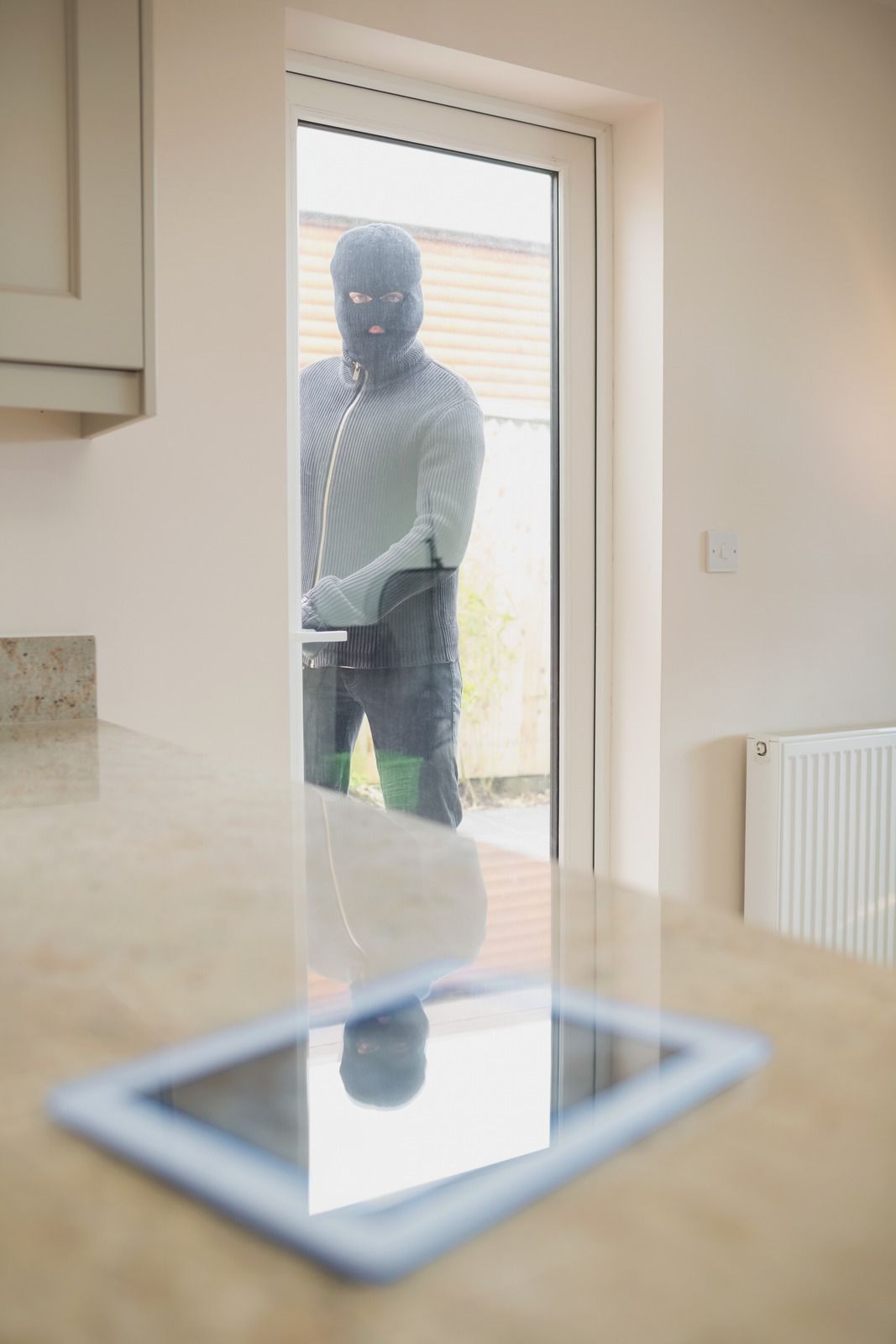
Common Burglary Methods in the UK and How to Prevent Them
Home security is a growing concern for many homeowners, especially as burglary methods continue to evolve. While modern locks and security systems have improved significantly, intruders are constantly finding new ways to exploit weaknesses in properties. Understanding how burglaries commonly occur is the first step in preventing them.
Many break-ins are not random but opportunistic, targeting homes with visible vulnerabilities such as weak locks, poor lighting, or easy access points. Even small oversights, like leaving windows unsecured or using outdated lock systems, can make a property more attractive to intruders. Being aware of these risks allows homeowners to take proactive steps to strengthen their security.
In Newcastle, UK, a mix of older and modern properties means security levels can vary widely. Some homes still rely on older locking mechanisms that may not withstand modern burglary techniques. By identifying common entry methods and taking preventative action, you can significantly reduce the chances of a break-in. That’s why in this guide, we explore the most common burglary methods in the UK and how to protect your home against them.
Understanding and Preventing Common Break-In Techniques
Lock Snapping
Lock snapping is one of the most common burglary techniques in the UK, particularly affecting euro cylinder locks found in uPVC doors. Intruders apply force to snap the cylinder, allowing them to access the internal locking mechanism within seconds.
To prevent this, upgrading to anti-snap euro cylinders is highly recommended. These locks are designed to break in a controlled way, preventing access to the locking system. Many Newcastle homes still use standard cylinders, making this upgrade a simple yet highly effective security improvement.
Lock Bumping
Lock bumping involves using a specially cut key to manipulate the pins inside a lock, allowing it to open without visible damage. This method can be used on many traditional pin tumbler locks and often goes unnoticed.
Preventing lock bumping requires upgrading to high-security locks with anti-bump features. Modern locks are designed to resist this technique, making it much harder for intruders to gain access. Choosing locks that meet British Standards adds an extra layer of protection.
Forced Entry Through Doors
Many burglaries occur through direct force, such as kicking in doors or breaking weak frames. Doors with poor alignment or weak materials are particularly vulnerable to this type of attack.
Reinforcing doors with stronger strike plates, door frames, and high-quality locks can significantly reduce this risk. Multi-point locking systems also provide added resistance by securing the door at multiple points. Ensuring your door is properly fitted and maintained is essential for preventing forced entry.
Exploiting Unsecured Windows
Windows are often overlooked when it comes to home security, but they are a common entry point for intruders. Unlocked or poorly secured windows make it easy for burglars to gain access without drawing attention.
Installing window locks, restrictors, or secondary security devices helps protect these vulnerable areas. For added security, ensure all windows are closed and locked before leaving your home, even for short periods. Strengthening window security is a simple but effective way to reduce risk.
Gaining Access Through Poor Key Management
Leaving spare keys in obvious places, such as under doormats or flowerpots, is a common mistake. Intruders are aware of these hiding spots and often check them first.
To prevent this, avoid leaving spare keys outside your home. Instead, leave a key with a trusted neighbour or consider using a secure key safe. Proper key management ensures that only authorised individuals have access to your property.
Opportunistic Entry Through Unlocked Doors
Not all burglaries involve advanced techniques. In many cases, intruders simply check for unlocked doors and enter without resistance. This type of opportunistic entry is more common than many homeowners realise.
Developing the habit of locking all doors, even when you’re at home, helps eliminate this risk. Double-checking locks before leaving the house ensures your property is always secure. Simple routines can make a significant difference in preventing break-ins.
Targeting Empty Homes
Homes that appear unoccupied are often targeted by burglars. Signs such as piled-up mail, dark interiors, or unmoved bins can indicate that no one is home.
Using timers for lights, asking neighbours to collect post, and maintaining the appearance of activity can deter intruders. Smart home devices, such as cameras and video doorbells, also provide added visibility and control. Making your home look occupied is one of the most effective deterrents.
Strengthening Your Home Against Burglary
Understanding how burglaries occur allows you to take practical steps to protect your home. By upgrading vulnerable locks, reinforcing entry points, and adopting better security habits, you can significantly reduce the risk of intrusion.
Prevention is always more effective than dealing with the aftermath of a break-in. Small improvements, such as installing anti-snap locks or securing windows, can have a major impact on your overall security. Combining physical upgrades with smart habits creates a strong defence against potential threats.
At Let Me In Locksmith, we help homeowners across Newcastle, UK identify and address security weaknesses before they become serious problems. Our experience allows us to recommend practical solutions that improve protection without unnecessary complexity. From upgrading locks to reinforcing doors, we are committed to helping you keep your home safe and secure.