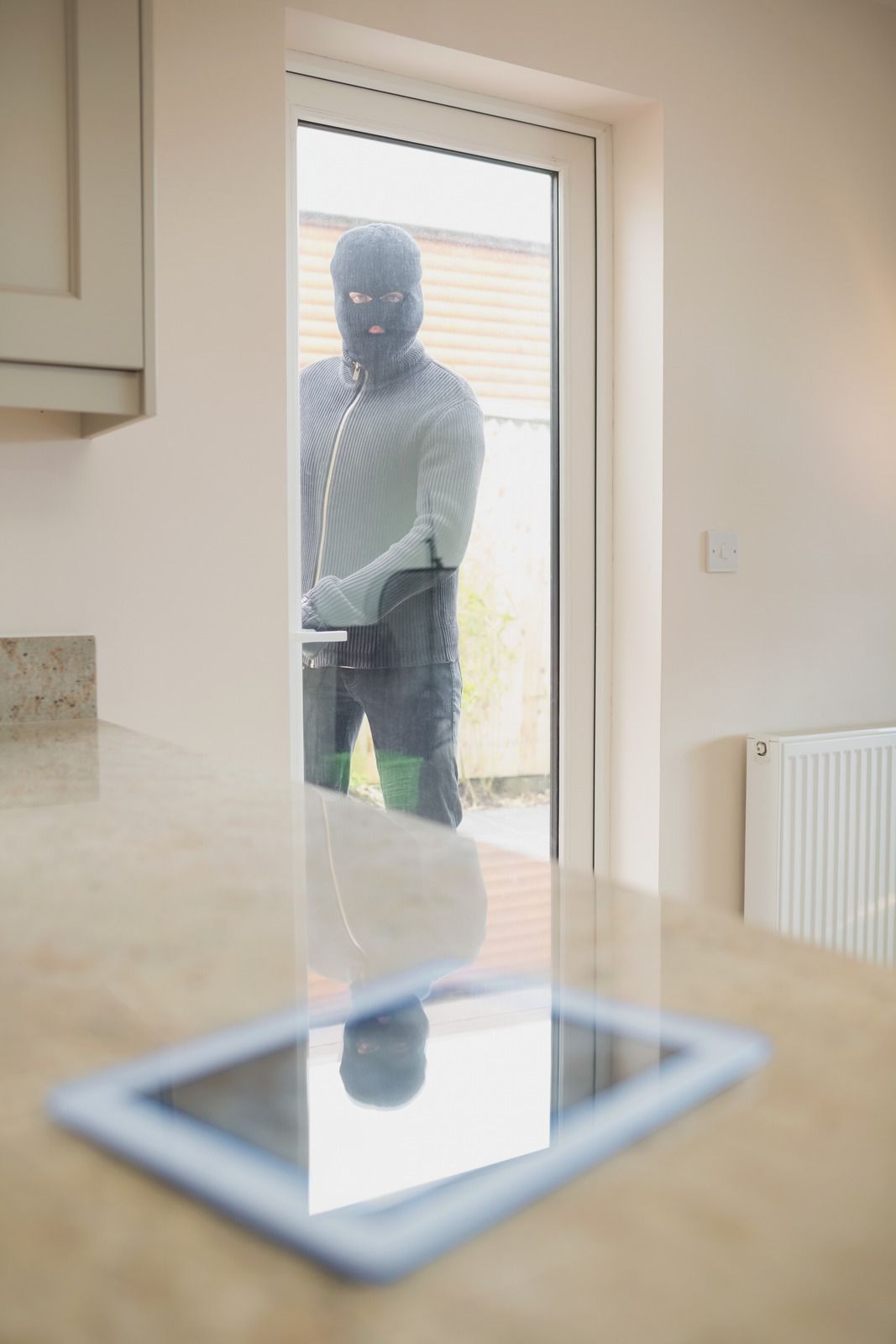
Multipoint Locking Explained: What Really Happens When One of the Hooks or Rollers Stops Engaging
Most modern UPVC and composite doors do not rely on a single bolt to stay shut. When you lift the handle and turn the key, a coordinated set of hooks, rollers, and bolts fires out along the entire height of the door and bites into the frame in several places at once. This is a multipoint lock, and it is the reason contemporary doors resist force so much better than a single deadbolt ever could. But this cleverness comes with a hidden dependency: every point must engage together. When one hook or roller quietly stops doing its job, the door can feel almost normal while its real security drops sharply.
This article breaks down how the system works, what each point contributes, what genuinely happens when one of them fails, and why a single neglected point rarely stays a single problem for long.
The Anatomy of a Multipoint Lock
A multipoint mechanism is a long steel strip, called the keep or the gearbox strip, that runs the height of the door edge. Along it sit several locking elements, each with a distinct job. Hooks swing out and pull into the frame to resist the door being pried open. Rollers, sometimes called mushroom cams, compress the weatherseal and take up play so the door sits tight. A central deadbolt provides straightforward throw-and-hold locking, and the latch handles everyday closing. Turning the key after lifting the handle is what commits all of these into their engaged, locked positions.
The elegance is in the distribution. Force applied anywhere along the door is shared across multiple anchor points, so no single spot becomes an easy target. A burglar leaning on the top corner is resisted by a hook near the top; pressure at the base meets a bolt near the bottom. Spreading the load like this is precisely what a lone central deadbolt cannot do, which is why older single-point doors were so much easier to lever open at the unsecured corners.
What Each Point Actually Does
It helps to separate the two roles these points play, because they are often confused. Some points are about security, resisting deliberate attack, and some are about fit, keeping the door snug and weathertight.
The hooks and the deadbolt are your security points. They are what a burglar has to defeat to force the door open, and they are designed to grab the frame in a way that resists levering. The rollers are mostly fit and compression points. They pull the door tight against its seals, which stops draughts and rattling but contributes far less to resisting attack. Understanding this split is the key to understanding why a partial failure can be so deceptive, because losing a fit point feels like a comfort issue while losing a security point may feel like nothing at all.
When a Roller Stops Engaging
If a roller wears down, seizes, or is knocked out of alignment, the first thing you notice is usually comfort-related. The door may feel looser, rattle a little in the wind, or let in a draught it never used to. Because the security hooks are still working, the door still locks and still feels reasonably solid, so the fault is easy to live with and easy to ignore for months.
The catch is that a door that no longer compresses evenly puts more strain on the remaining points, and the misalignment that stopped the roller engaging often creeps toward the hooks next. A comfort problem today is frequently a security problem in the making. The uneven pressure also accelerates seal wear, which loosens the door further, which throws yet more strain onto the hooks, so what began as a faint rattle can end as a genuinely compromised door.
When a Hook Stops Engaging
A hook that fails to throw is a far more serious event, even though it can be almost impossible to feel from the handle. The door still latches, the key still turns, and everything appears locked. But one of your primary anti-pry anchors is now sitting idle inside the door, doing nothing. The load that hook was meant to carry is redistributed to the remaining points, which are now defending an entrance they were never designed to defend alone.
This is the quiet danger of multipoint systems. Their smooth operation masks the loss of individual points, so a door can present as fully secure while its resistance to a determined attack has fallen well below what the owner assumes. Worse, an intruder testing the door by leaning on it can sometimes feel the give at the failed point, effectively being shown where the weakness is. The very smoothness that makes these doors pleasant to use is what hides the fault from the person who most needs to know about it.
Why One Failure Cascades
Multipoint mechanisms fail progressively for a simple reason: everything is linked through one gearbox and one alignment. If the door drops on its hinges, every point is thrown out of position at once, and the elements furthest from the pivot suffer most. A single seized roller increases friction on the whole strip, making the handle stiffer, which encourages forcing, which fatigues the gearbox. One neglected point rarely stays a single-point problem for long.
The practical takeaway is that these systems reward attention to the small stuff. Keeping the door hung correctly, the seals sound, and the points lubricated preserves the whole distributed defence. A quick seasonal check that every hook and roller actually engages, done by watching the door edge as the handle is lifted, catches a lone failure while it is still trivial to fix. Ignoring one sticky point, by contrast, tends to unravel the rest over the following months.
Keeping Every Point Pulling Its Weight
A multipoint lock is only as strong as its willingness to engage all at once, and that is exactly what slips out of sight when a single hook or roller drops out of the equation. The doors that stay genuinely secure are the ones where someone checks that every point is still firing, not just that the handle still lifts. That is the habit Let Me in Locksmith has built into every visit across Newcastle and the surrounding areas, drawing on several years of stripping down these mechanisms and seeing precisely how a hidden failure spreads. When a door still locks but no longer feels right, that instinct is worth trusting, because a lock that engages everywhere is protecting far more than one that simply clicks shut.