Why Your Door Isn’t Closing Properly
A door that doesn’t close properly is more than just an everyday inconvenience. It’s often an early warning sign of underlying lock or hardware issues that can compromise both security and safety. Many homeowners ignore small problems like sticking doors or misaligned latches, assuming they’re harmless. However, when a door fails to close or lock correctly, it can place strain on the locking mechanism and increase the risk of damage or forced entry.
In Newcastle, UK, door and lock problems are common in both older properties and newer builds. Daily use, changing weather conditions, and natural building movement all contribute to gradual misalignment. Understanding why your door isn’t closing properly—and how it affects your locks—helps you address the issue before it escalates into a costly repair or security concern.
This guide explores the most common lock-related reasons doors fail to close properly and explains why early action is essential.
Misaligned Door and Lock Components
One of the most common reasons a door won’t close smoothly is misalignment between the door, frame, and lock. Over time, doors can shift slightly due to settling, worn hinges, or temperature changes. When this happens, the latch no longer lines up correctly with the strike plate.
As a result, the lock may require extra force to engage, or it may not engage at all. Repeatedly forcing the door to close puts unnecessary strain on the lock mechanism, leading to premature wear and eventual failure.
Worn or Damaged Lock Latches
The latch plays a crucial role in allowing the door to close securely. If the latch becomes worn, bent, or damaged, it may not retract or extend smoothly. This can cause the door to catch on the frame or fail to stay closed.
Latch problems are often caused by age, dirt buildup, or internal wear. While the issue may start subtly, it tends to worsen over time if left unaddressed.
Loose Handles and Lock Fixings
Loose door handles or lock fixings can prevent a door from closing properly. When handles move excessively, the internal components of the lock may not operate as intended, affecting how the latch engages.
Loose hardware also increases movement within the lock, accelerating wear and reducing security. Tightening visible screws may help temporarily, but recurring looseness often indicates deeper internal issues.
Door Swelling Due to Moisture
Moisture is a common factor affecting doors in the UK. Wooden doors, in particular, can absorb moisture and swell during damp or cold weather. Even composite or uPVC doors can experience slight expansion.
When a door swells, it may press against the frame, preventing the latch from aligning correctly. This added resistance puts pressure on the lock, causing stiffness and increasing the risk of internal damage.
Strike Plate Issues
The strike plate is the metal plate on the door frame that the latch fits into. If it’s positioned incorrectly, loose, or damaged, the latch may not align properly. Even a few millimetres of misalignment can stop a door from closing smoothly.
Strike plate issues are often overlooked, yet they play a vital role in both security and ease of use. Adjusting or replacing the strike plate can often resolve closing issues without replacing the entire lock.
Internal Lock Wear Affecting Door Closure
Sometimes the issue lies entirely within the lock itself. Worn internal springs, weakened components, or debris buildup can prevent the latch from retracting fully when the handle is pressed.
When this happens, the latch may drag against the frame, causing resistance and making the door difficult to close. Internal wear usually worsens over time and often requires professional repair or replacement.
Forcing the Door Causes Further Damage
When a door doesn’t close properly, many homeowners respond by pushing harder or slamming the door. While this may temporarily solve the problem, it causes long-term damage to the lock, door, and frame.
Repeated force can bend latches, damage internal components, and loosen fixings. What starts as a minor alignment issue can quickly become a complete lock failure if forced use continues.
Security Risks of a Poorly Closing Door
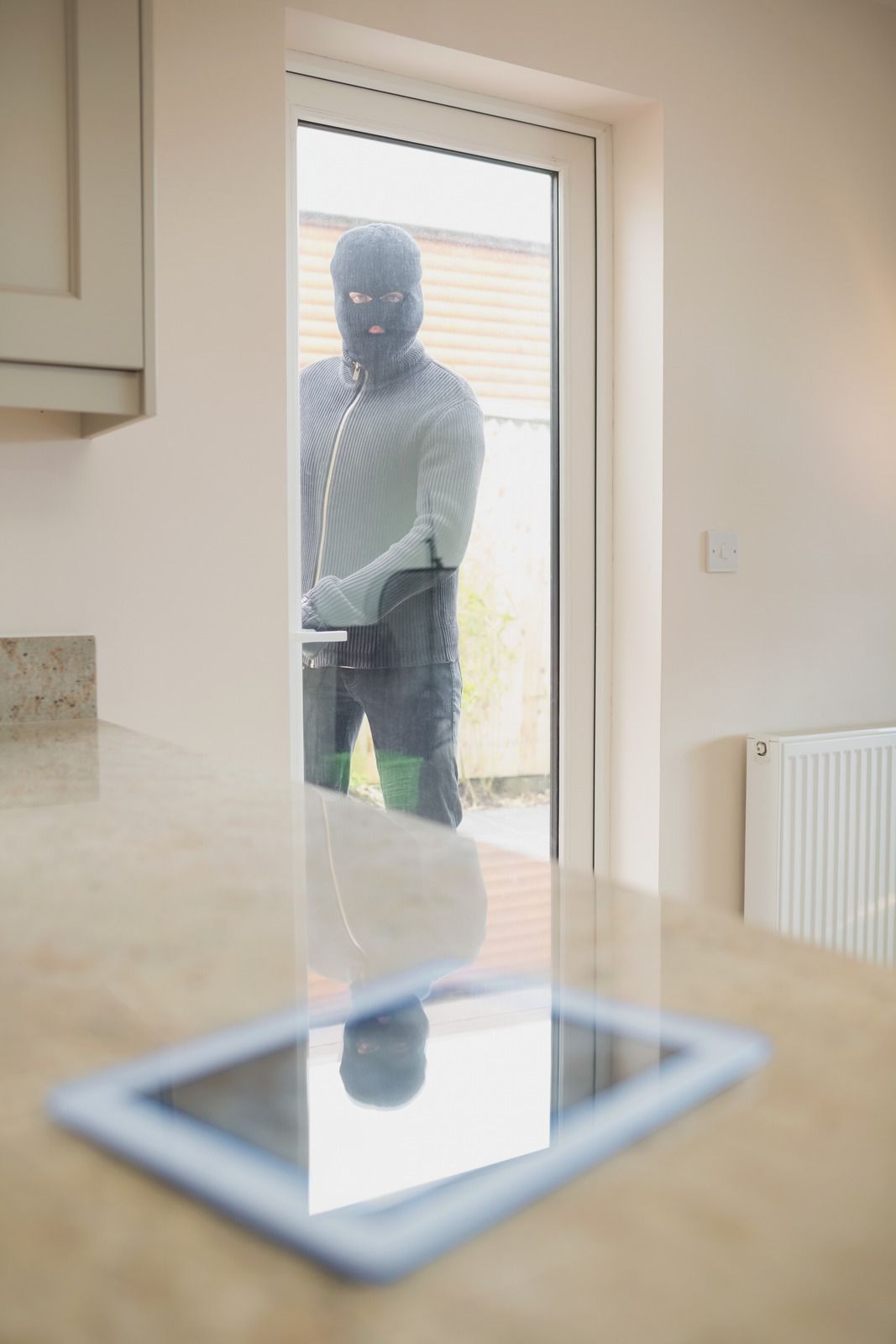
A door that doesn’t close or lock properly creates a serious security risk. Even if the door appears shut, the lock may not be fully engaged. This makes it easier for intruders to gain access using minimal force.
Burglars often look for properties with visible signs of wear or misalignment. A door that doesn’t sit flush within its frame is a clear indicator of weakened security.
When to Seek Professional Help
If your door consistently struggles to close, requires force, or fails to lock securely, it’s time to consult a professional locksmith. A trained locksmith can assess whether the issue lies with the lock, door alignment, hinges, or frame.
Early professional intervention prevents further damage and restores smooth operation without unnecessary replacements.
Preventative Maintenance for Doors and Locks
Routine inspections help identify alignment issues, worn latches, and loose components before they become serious problems. Preventative maintenance extends the lifespan of your locks and ensures doors close securely every time.
Simple adjustments can often resolve issues quickly when addressed early.
Trusted Door and Lock Solutions in Newcastle, UK
At Let Me In Locksmith, we help homeowners throughout Newcastle, UK resolve door-closing issues linked to lock problems. Our experienced team provides professional assessments, precise adjustments, and reliable repairs to ensure your doors close smoothly and your locks function correctly.
By addressing the underlying cause early, we help protect your property, improve security, and restore peace of mind.