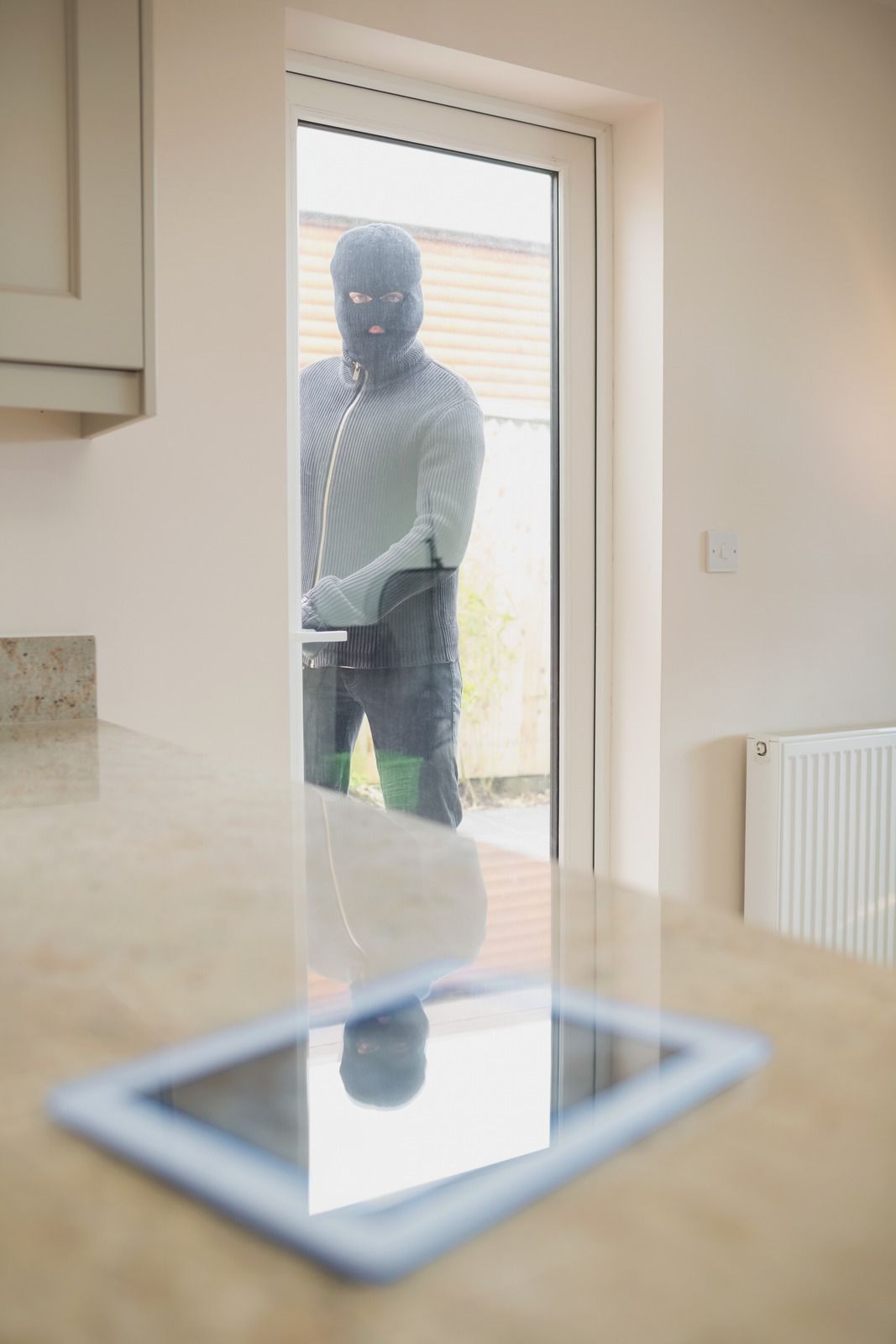
Child-Proofing Your Doors and Locks
Creating a safe home environment for children goes beyond furniture covers and stair gates. Doors and locks play a crucial role in child safety, yet they are often overlooked until an accident or near miss occurs. Curious children can easily access doors leading outside, garages, or stairways if locks are not designed or positioned with safety in mind. Proper child-proofing helps reduce risks while maintaining the security of your home.
For families in Newcastle, UK, homes vary widely in layout and age. Many properties still use standard door handles and locks that are easy for children to operate. Understanding how to adapt existing doors and locks to improve child safety allows parents and caregivers to create a safer living space without compromising convenience.
This guide explains why child-proofing your doors and locks is important, highlights common risks, and outlines practical solutions that enhance safety.
Why Doors and Locks Pose Risks to Children
Young children are naturally curious and quick to explore their surroundings. Doors leading outside, to staircases, kitchens, or garages can expose them to serious dangers. Standard door handles are often positioned at a height that becomes accessible as children grow, allowing them to open doors without supervision.
Locks that function perfectly for adults may not provide adequate safety for young children. Without additional safeguards, children can wander outdoors, access hazardous areas, or accidentally lock themselves inside a room.
Common Door and Lock Hazards in the Home
Many household doors present potential risks. Front and back doors can allow unsupervised access outside. Patio doors may slide open easily, while internal doors can trap fingers or slam shut unexpectedly.
Low-positioned handles, easily turned locks, and doors without restrictors are common issues. Even well-maintained locks can become safety hazards if they’re not adapted for child-proofing.
High-Level Locks for Added Safety
One of the most effective child-proofing measures is installing high-level locks. These locks are positioned above a child’s reach while remaining easily accessible for adults. They are particularly useful for external doors, balconies, and rooms with potential hazards.
High-level locks provide an extra layer of security without interfering with the main locking system. They help prevent unsupervised access while still allowing quick exit in emergencies.
Child-Safe Door Handles and Lock Covers
Door handle covers and child-safe handle designs limit a child’s ability to operate doors. These solutions are especially helpful for internal doors and rooms that require restricted access.
Some modern lock designs incorporate child-resistant features while maintaining ease of use for adults. Choosing the right solution depends on the door type, lock style, and household needs.
Securing Sliding and Patio Doors
Sliding and patio doors often present a unique challenge. Their large glass panels and smooth movement make them appealing to children, yet they can open easily if not properly secured.
Adding secondary locks, restrictors, or anti-lift devices helps prevent children from opening these doors. These measures also enhance overall home security, making them beneficial beyond child safety alone.
Preventing Finger Traps and Door Slams
Heavy doors can cause finger injuries if they close suddenly. Installing door restrictors or slow-close mechanisms reduces the risk of accidents. These devices control how far doors open and prevent them from slamming shut.
Soft-close solutions are particularly useful in homes with young children and provide added convenience for daily use.
Balancing Child Safety and Emergency Access
While child-proofing is essential, it’s equally important not to compromise emergency exits. Doors must still be accessible to adults in case of fire or other emergencies. Professional advice ensures child safety solutions meet safety standards without creating new risks.
A locksmith can recommend options that strike the right balance between security, accessibility, and child safety.
When Existing Locks Need Upgrading
Older locks may lack modern safety features or compatibility with child-proofing accessories. In some cases, upgrading to newer locking systems offers better control and reliability.
Modern locks often provide smoother operation, enhanced durability, and improved safety options, making them a worthwhile investment for family homes.
Professional Installation for Reliable Protection
Child-proofing devices are only effective when installed correctly. Improper fitting can reduce functionality or make locks difficult to operate. Professional installation ensures devices work as intended and integrate seamlessly with existing doors and locks.
A locksmith can assess your home’s layout and recommend the most suitable solutions for each door.
Creating a Safer Home Environment
Child-proofing your doors and locks is an important step in creating a safer living environment. Combined with supervision and other safety measures, it helps prevent accidents and provides peace of mind for parents and caregivers.
Small changes can make a significant difference in reducing risks and improving overall household safety.
Trusted Child Safety Locksmith Services in Newcastle, UK
At Let Me In Locksmith, we help families throughout Newcastle, UK make their homes safer with professional child-proofing solutions. Our experienced team provides expert advice, tailored installations, and reliable upgrades designed to protect children without compromising security.
By adapting your doors and locks with safety in mind, we help you create a secure, family-friendly home you can trust every day.