A Complete Guide to Anti-Snap Locks
Home security is a top priority for homeowners, and one of the most common methods burglars use to gain entry in the UK is lock snapping. This technique targets standard euro cylinder locks and allows intruders to break in quickly and quietly. Anti-snap locks are specifically designed to prevent this method of entry, making them one of the most effective security upgrades available today.
In Newcastle, UK, many homes still rely on older euro cylinders that were installed before anti-snap technology became standard. Understanding how anti-snap locks work, why they matter, and when to upgrade helps homeowners make informed decisions about protecting their property.
This complete guide explains everything you need to know about anti-snap locks and how they improve home security.
What Is Lock Snapping?
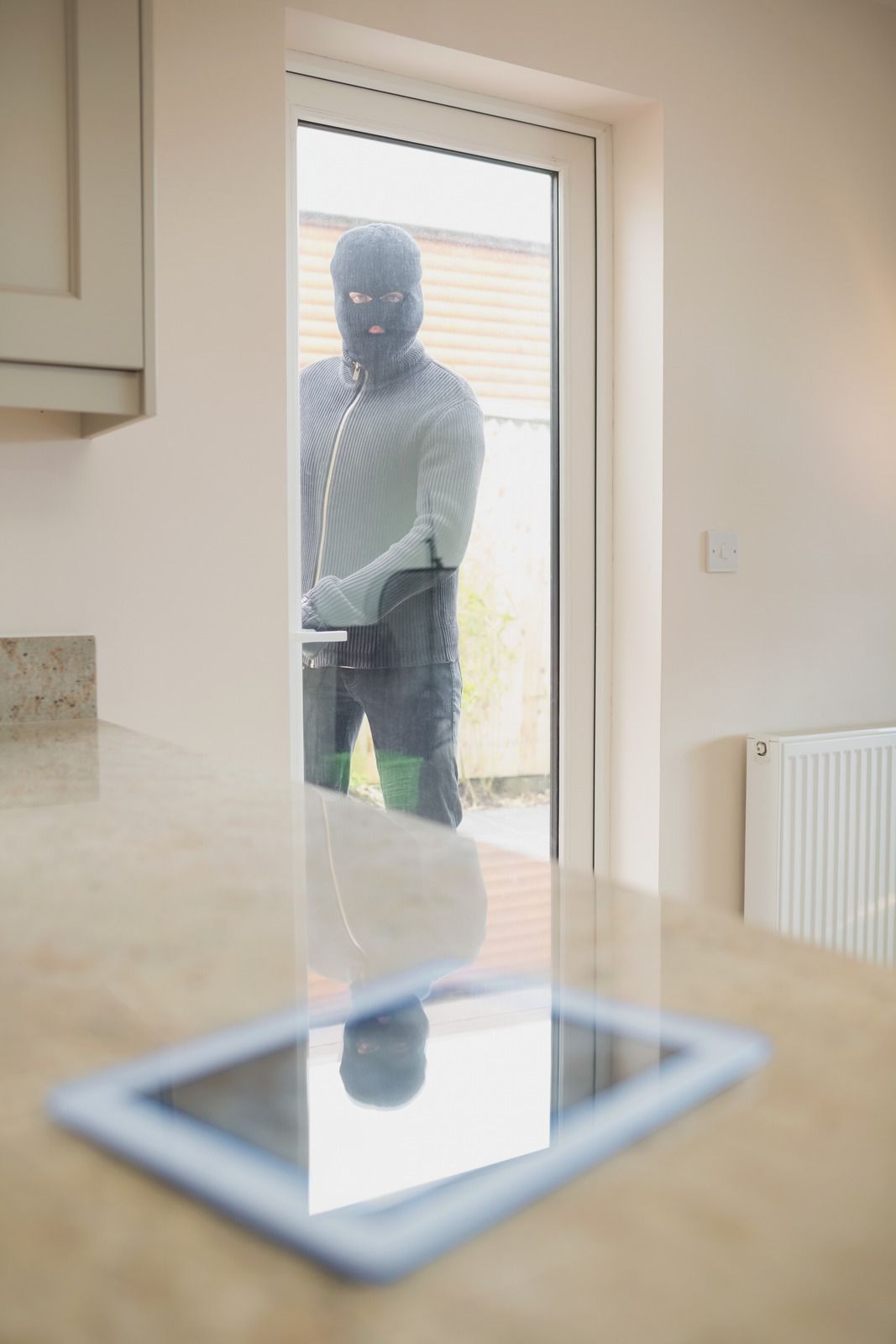
Lock snapping is a burglary technique that exploits weaknesses in standard euro cylinder locks. Intruders apply force to the exposed part of the cylinder, causing it to snap and allowing quick access to the internal locking mechanism. Once snapped, the door can often be opened in seconds with minimal noise.
This method is particularly common on uPVC and composite doors, where euro cylinders are widely used. Locks that protrude from the door are especially vulnerable.
Why Standard Euro Cylinders Are at Risk
Traditional euro cylinder locks were not designed to withstand snapping attacks. Many older cylinders lack reinforcement and break easily under pressure. Even if the door itself is strong, a weak cylinder creates an easy entry point.
Properties with outdated locks may appear secure but can still be vulnerable to this method of forced entry.
How Anti-Snap Locks Work
Anti-snap locks are engineered to resist snapping attacks. They are designed with a sacrificial break point that snaps safely when force is applied. Instead of allowing access, the front section breaks away while the internal mechanism remains secure.
This prevents intruders from reaching the cam or locking mechanism, effectively stopping the attack and forcing them to abandon the attempt.
Key Features of Anti-Snap Locks
Anti-snap cylinders often include several additional security features, such as reinforced internal bars, hardened materials, and anti-drill protection. Many are tested and certified to recognised UK security standards.
Common standards include TS007 and Sold Secure, which indicate that the lock has passed rigorous testing for resistance to snapping and other attack methods.
Benefits of Installing Anti-Snap Locks
Installing anti-snap locks significantly reduces the risk of burglary. They act as a strong deterrent, as intruders are more likely to move on when faced with resistant locks.
These locks also provide peace of mind for homeowners and may help meet insurance security requirements. Installation is usually quick and does not require replacing the entire door.
When Should You Upgrade to Anti-Snap Locks?
If your home has euro cylinder locks without anti-snap protection, upgrading is highly recommended. This is especially important for front and back doors, as well as patio doors that use euro cylinders.
Signs that your lock may be outdated include visible protrusion, lack of security markings, or age. A locksmith can assess your existing locks and advise on the best upgrade options.
Professional Installation Matters
For anti-snap locks to be effective, correct sizing and installation are essential. A poorly fitted cylinder may still be vulnerable, even if it’s anti-snap rated.
A professional locksmith ensures the lock sits flush with the door, functions smoothly, and provides maximum protection.
Combining Anti-Snap Locks with Other Security Measures
While anti-snap locks offer excellent protection, combining them with additional security measures further strengthens your home. Reinforced handles, proper door alignment, and secondary security devices all contribute to a comprehensive security system.
A layered approach to security makes forced entry far more difficult and discourages potential intruders.
Maintaining Anti-Snap Locks
Like all locks, anti-snap cylinders benefit from routine maintenance. Keeping them clean and checking for alignment issues helps ensure long-term reliability.
Regular inspections also allow early detection of wear or damage, maintaining optimal performance.
Anti-Snap Locks and Insurance Considerations
Many insurers recognise anti-snap locks as a valuable security feature. Upgrading may help meet policy requirements and demonstrate proactive home protection.
It’s always advisable to check with your insurer to understand any specific security standards they recommend.
Trusted Anti-Snap Lock Installation in Newcastle, UK
At Let Me In Locksmith, we help homeowners across Newcastle, UK protect their properties with professional anti-snap lock installations. Our experienced team supplies and fits certified locks that meet recognised security standards.
We provide expert advice, precise installation, and reliable upgrades designed to enhance your home’s security and your peace of mind.