What Is Lock Bumping — Risks and Prevention for Homeowners
Home security is something most homeowners take seriously, yet many are unfamiliar with certain burglary techniques that can bypass traditional locks in seconds. One of the most concerning methods is known as lock bumping. It requires minimal skill, basic tools, and can leave almost no visible signs of forced entry.
Across the UK, including areas like Newcastle, standard cylinder locks are still commonly fitted to residential doors. While these locks provide everyday convenience, some models can be susceptible to bumping if they lack modern security features. Understanding how lock bumping works and how to prevent it allows homeowners to make informed decisions about protecting their property.
What Is Lock Bumping?
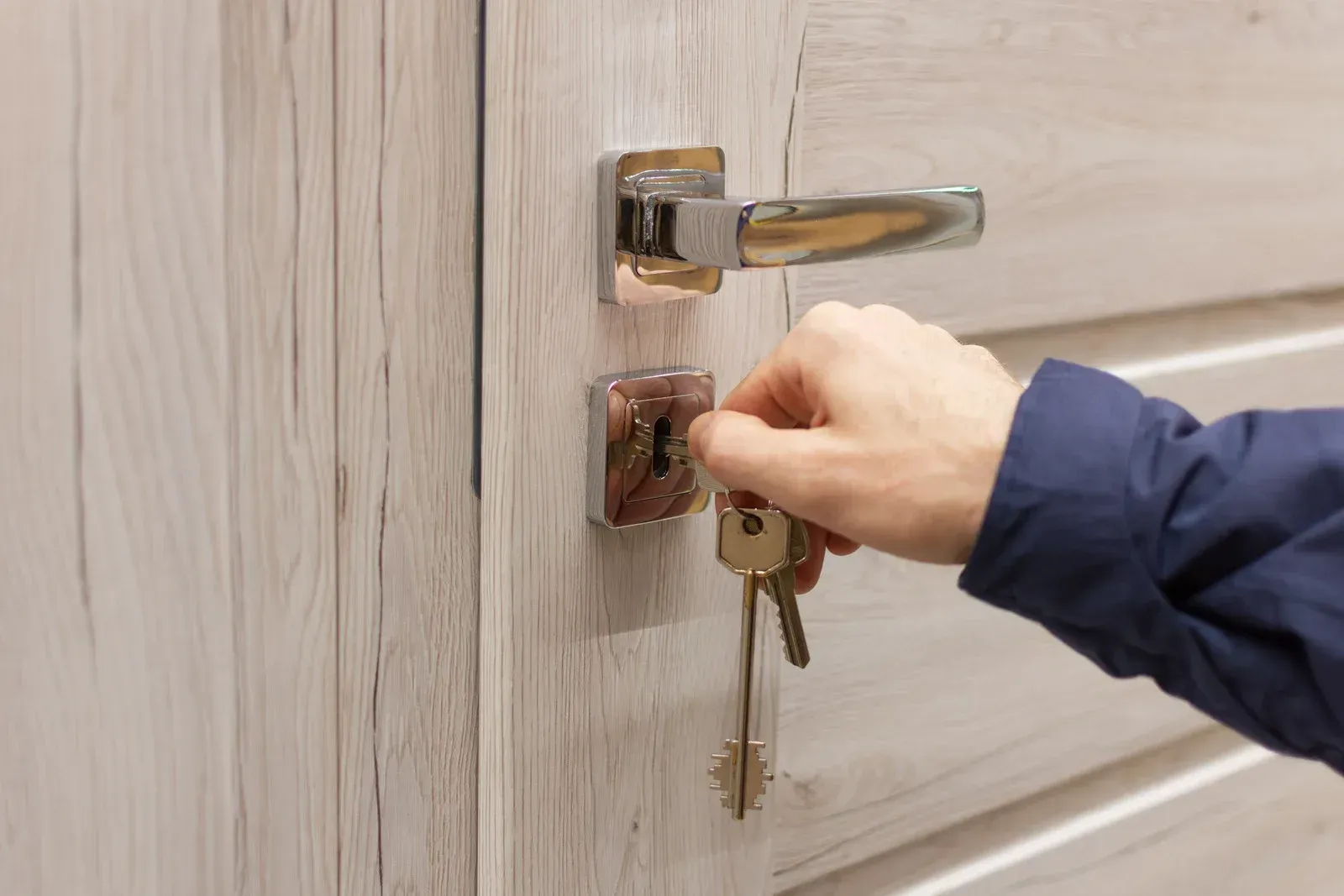
Lock bumping is a technique used to open certain types of pin tumbler locks without the original key. It involves inserting a specially cut “bump key” into the lock cylinder. When the key is struck with light force while slight turning pressure is applied, the internal pins jump momentarily into alignment. This brief alignment allows the cylinder to rotate, unlocking the door.
The concerning part is how quickly this can happen. In some cases, an experienced individual can open a standard lock within seconds. Unlike forced entry methods such as drilling or snapping, lock bumping often leaves little to no obvious damage. This makes it harder to detect and can complicate insurance claims if there are no clear signs of a break-in.
Why Lock Bumping Is a Serious Concern
The simplicity of lock bumping is what makes it particularly troubling. It does not require expensive equipment or advanced training. Basic bump keys can be obtained or created with minimal effort, and the method itself relies on the mechanical design of traditional locks.
For homeowners, the risk lies in false confidence. A door may appear secure from the outside, but if the cylinder lacks anti-bump technology, it may not provide the level of protection expected. Because the method is discreet and relatively quiet, it can be used without attracting attention in residential neighbourhoods.
Properties with outdated locks, especially those installed many years ago, are typically at greater risk. As security standards evolve, older cylinders may not meet current resistance requirements.
How to Tell If Your Lock May Be Vulnerable
Most standard euro cylinder locks used in uPVC and composite doors can potentially be bumped if they do not include protective features. Unfortunately, vulnerability is not always visible from the outside.
However, there are certain indicators that suggest it may be time to evaluate your locks:
- The lock was installed over 10 years ago.
- There are no visible security certifications or markings.
- The cylinder feels lightweight or basic.
- The lock was chosen for affordability rather than security rating.
High-quality modern cylinders often include anti-bump pins, reinforced internal components, and testing certifications that confirm resistance against common forced entry methods. If you are unsure about the type of lock installed, a professional locksmith can assess it quickly.
Effective Ways to Prevent Lock Bumping
Fortunately, protecting your home against lock bumping is straightforward when the right measures are taken.
Upgrade to Anti-Bump Cylinders
The most reliable solution is installing high-security anti-bump locks. These cylinders are designed with specially engineered pins and internal mechanisms that prevent bump keys from working. Many are independently tested and certified to meet British Standards.
When selecting a replacement, look for locks that meet BS3621 or TS007 standards. These certifications indicate resistance to common attack methods, including bumping.
Choose Quality Over Cost
Budget locks may appear similar to higher-grade models but often lack internal reinforcement. Investing in quality hardware significantly improves resistance not only to bumping but also to snapping and drilling.
A locksmith can recommend suitable options based on your door type and security requirements.
Reinforce the Entire Door System
Security does not rely solely on the cylinder. Strong door frames, reinforced strike plates, and properly aligned hinges contribute to overall resistance. A comprehensive security assessment ensures there are no weak points around the locking system.
Are Smart Locks a Safer Alternative?
Smart locks are becoming increasingly popular, offering convenience and remote access features. While they eliminate traditional key vulnerabilities, they introduce different considerations such as cybersecurity risks.
High-quality smart locks from reputable manufacturers often include advanced encryption and built-in resistance against mechanical attacks. However, proper installation and secure network management are essential to maintain protection.
When to Seek Professional Advice
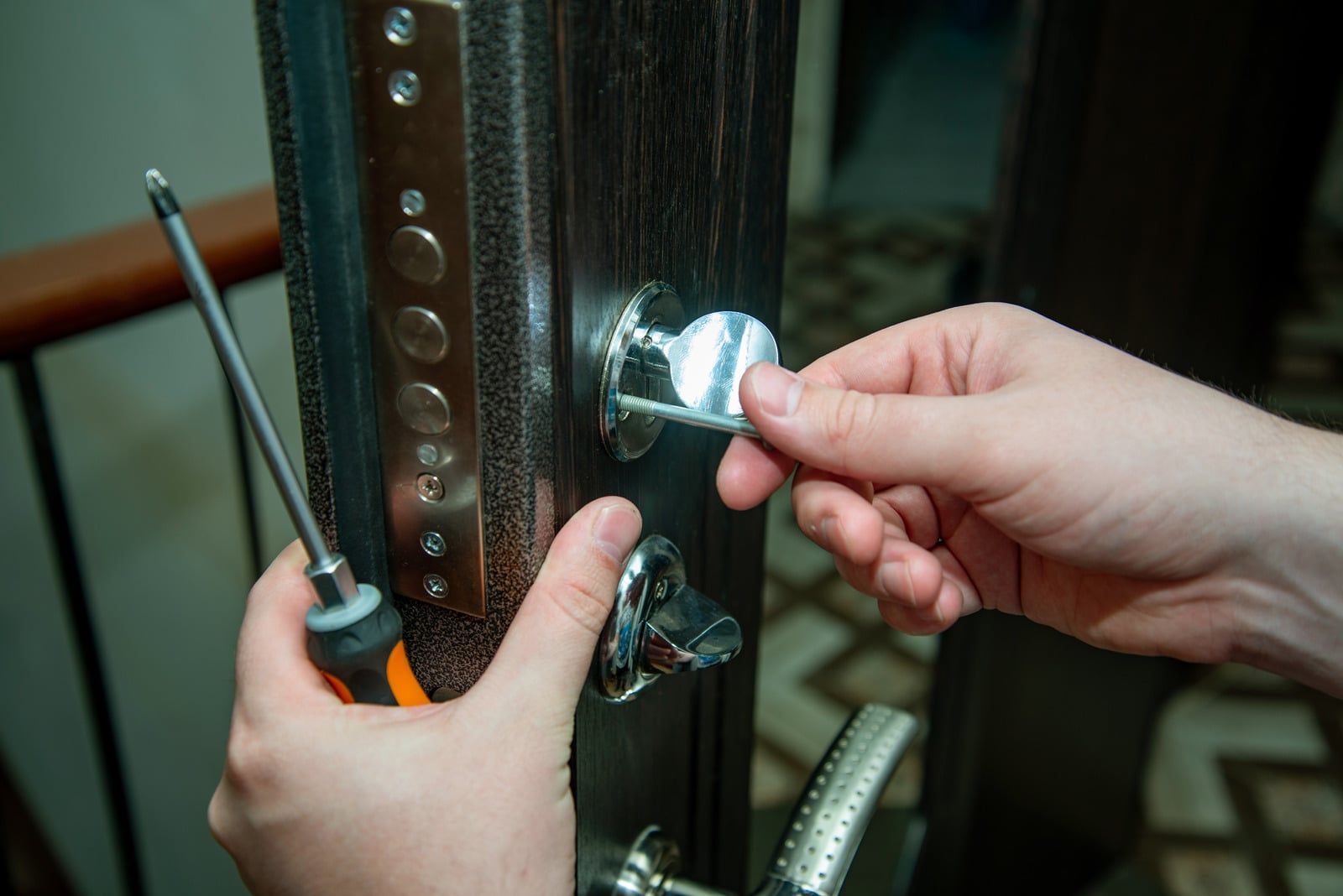
If you are uncertain about the security level of your locks, it is wise to consult a qualified locksmith. A professional can inspect your current cylinders, identify weaknesses, and recommend practical upgrades tailored to your property.
Security assessments are typically quick and affordable. In many cases, upgrading a vulnerable cylinder takes less than an hour but provides long-term peace of mind.Preventive upgrades are far more cost-effective and far less stressful than emergency replacements following a break-in.
Protecting Homes Across Newcastle
At Let Me In Locksmith, we assist homeowners throughout Newcastle, UK with modern lock upgrades designed to resist bumping and other common entry techniques. Our experienced team provides honest advice, certified security products, and professional installation to ensure your home remains properly protected.
By understanding the risks of lock bumping and taking proactive steps, you can strengthen your home’s security and reduce the likelihood of unauthorised access. Small improvements today can prevent major problems tomorrow, helping you maintain confidence in the safety of your property year-round.