How to Tell If Your UPVC Door Lock Needs Replacing Before It Fails Completely
UPVC door locks rarely give up without warning. In most cases, there are subtle but reliable signals that something is wearing down inside the mechanism, long before the lock stops working entirely. The problem is that these signs are easy to dismiss as minor inconveniences rather than genuine security concerns. Understanding what to look for means the difference between a planned, affordable lock replacement and an unexpected emergency at the worst possible moment.
Modern UPVC locking systems are built for durability, but daily use, seasonal temperature changes, and the natural aging of internal components all contribute to gradual performance decline. What feels like a stiff handle or a slightly resistant key is often the early stage of a deeper mechanical issue developing inside the cylinder or multipoint mechanism. Identifying these changes early allows for timely action that protects both security and long-term door performance across properties throughout Newcastle and beyond.
1. The Key Requires Noticeably More Force Than Before
Increased Effort as an Early Mechanical Signal
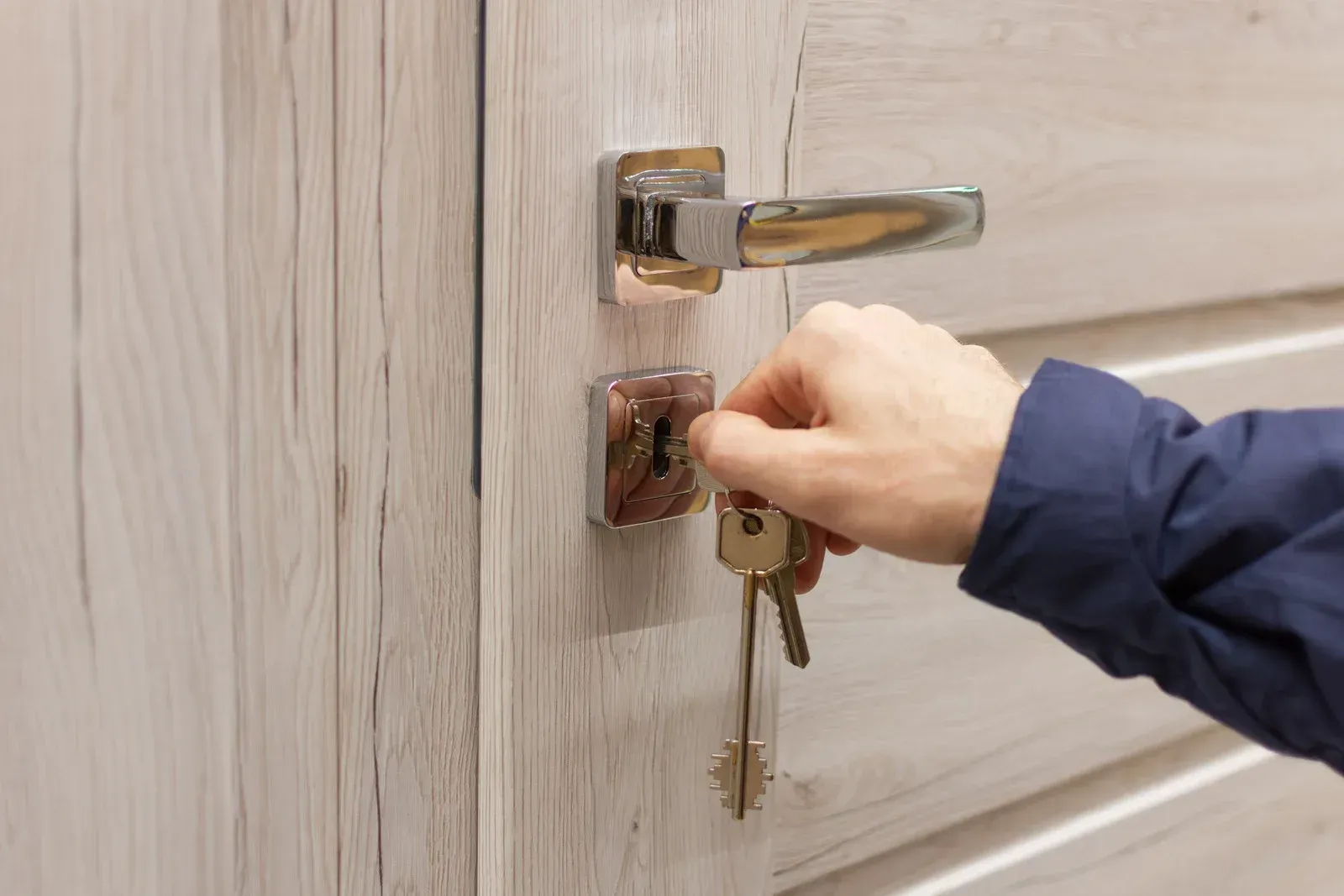
A key that once turned smoothly but now requires extra pressure to engage the lock is one of the clearest early indicators of wear. This change usually happens gradually, making it easy to adapt to without realising the underlying cause. Inside the cylinder, pin tumblers and internal springs begin to wear down over time, creating resistance that was not present when the lock was new. The natural response is to push harder, but doing so consistently accelerates the deterioration of already weakened components.
In some cases, the resistance is caused by debris accumulation or insufficient lubrication rather than structural wear. A professional inspection can distinguish between the two. If lubrication resolves the issue, the lock may still have usable life. If the resistance returns quickly or persists regardless of maintenance, internal component failure is likely the cause and replacement becomes the appropriate next step.
2. The Handle Feels Loose or Drops Lower Than Usual
Mechanical Play and Spring Fatigue Inside the System
A UPVC door handle that moves more freely than it once did or needs to be held in a specific position for the latch to engage is a sign of internal spring fatigue or worn gearbox components within the mechanism. Over time, the springs that control handle tension weaken, creating excess movement and reducing the precision of locking engagement. This type of wear is especially common in high-use doors where the handle is operated many times each day.
Beyond convenience, a loose handle affects the reliability of the multipoint locking system. When the handle lacks the tension needed to drive locking points into their keeps, the door may appear locked while some of the securing points remain only partially engaged. This significantly reduces resistance against forced entry and represents a genuine security concern that should not be left unaddressed for extended periods.
3. Locking Points No Longer Engage Cleanly
Misalignment Between the Mechanism and the Frame
When the key turns or the handle lifts but the locking points fail to seat properly into the keeps along the frame, alignment or mechanism wear is usually responsible. This can feel like a grinding resistance midway through locking or a partial click without full engagement. In some cases, the door must be pushed or pulled into position before the latch catches, which indicates that the mechanism can no longer compensate for minor positional variation on its own.
This type of issue is sometimes caused by frame settlement or seasonal expansion rather than lock failure alone. However, if the door aligns well and the problem persists, internal mechanism wear is the more likely explanation. A qualified locksmith can assess whether adjustment, lubrication, or full mechanism replacement is the appropriate solution based on the actual condition of both the door and the locking system.
4. Visible Corrosion or Discolouration Around the Cylinder
Environmental Damage Working Its Way Inward
External signs of rust, pitting, or surface discolouration around the cylinder or on exposed metalwork near the lock are indicators that moisture has been compromising the material integrity of the locking system. While surface corrosion may appear minor, the damage it signals often extends further into the internal components where it cannot be seen without disassembly. Moisture that reaches internal pins and springs causes them to bind, corrode, and eventually fail.
Corrosion is particularly common on external doors in exposed positions where wind-driven rain reaches the keyhole or surrounding metalwork repeatedly over time. Once internal corrosion reaches core components, no amount of lubrication will restore smooth, reliable operation. At that stage, replacement is necessary to ensure the lock continues to provide meaningful resistance against both mechanical failure and deliberate attack.
5. The Lock Occasionally Works and Then Does Not
Intermittent Performance as a Precursor to Complete Failure
A lock that functions properly on some occasions but refuses to engage correctly on others is exhibiting one of the most telling signs that complete failure is approaching. Intermittent performance suggests that internal components are at a threshold where they sometimes align and sometimes do not, depending on minor variations in pressure, temperature, or handling. This inconsistency is unpredictable by nature, which makes it particularly problematic from a security standpoint.
Many property owners continue using locks in this condition, hoping the issue will resolve itself or remain manageable. In practice, intermittent faults almost always progress to complete failure, and that failure tends to happen at the least convenient moment. Addressing the issue while the lock is still partially functional allows for a controlled replacement rather than an emergency response.
Professional UPVC Lock Replacement Support Across Newcastle
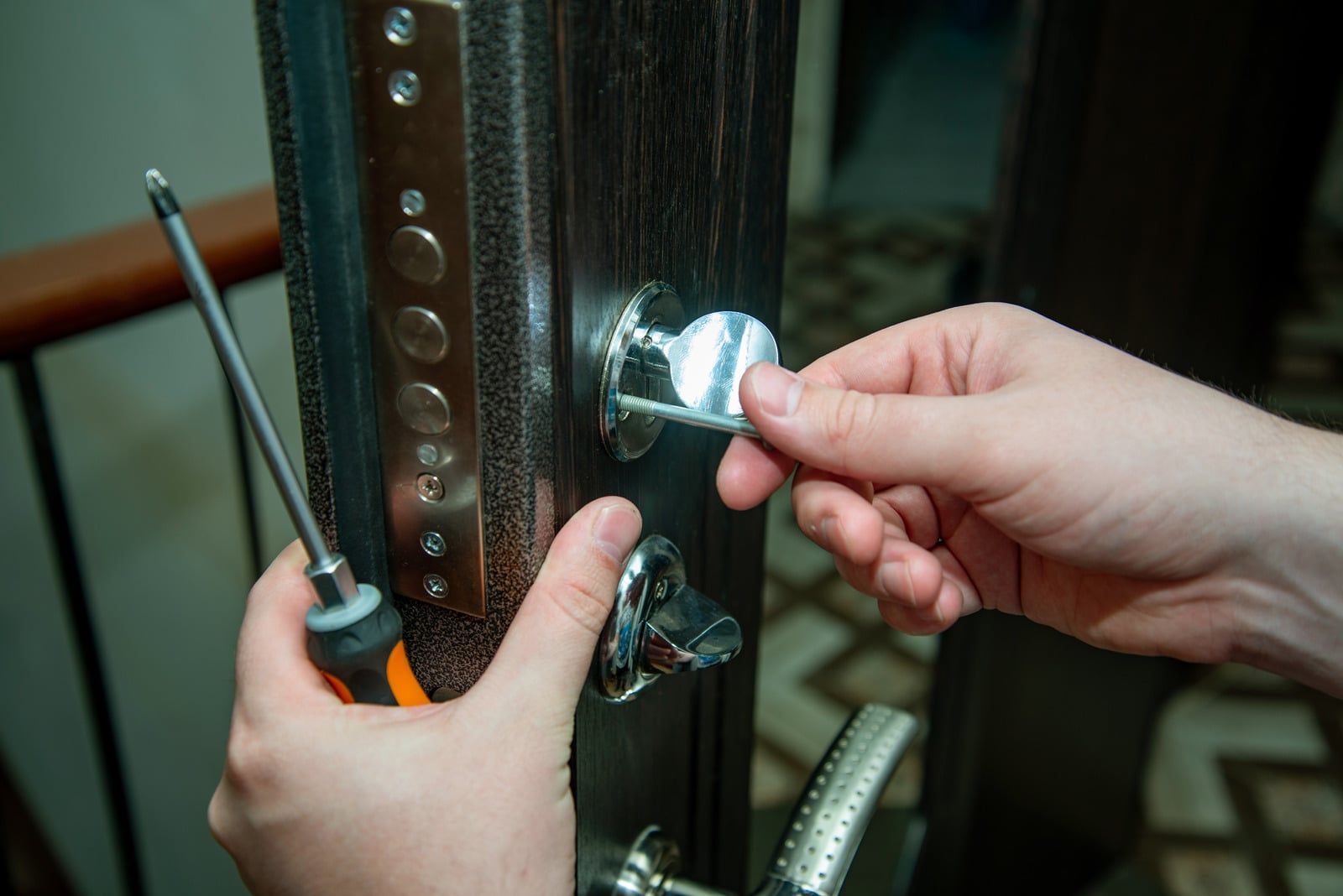
Recognising the early signs of UPVC lock failure is the most effective way to maintain both security and peace of mind throughout the year. Each of the warning signs described above reflects a real mechanical process happening inside the door system, and each one deserves a proper professional assessment rather than continued adjustment. Waiting until a lock fails completely increases both the cost and urgency of the repair while leaving the property in a vulnerable state in the interim.
Let Me in Locksmith
provides professional lock replacement and assessment services across Newcastle, UK, with several years of hands-on experience in residential UPVC door systems. Every inspection is carried out with attention to the actual condition of internal components, ensuring that recommendations are based on genuine mechanical evidence rather than assumptions. Whether the issue is early wear or advanced mechanism failure, solutions are delivered with precision and a focus on lasting security. Our approach prioritises accuracy, reliability, and clear communication at every stage of the process.