Smart Locks vs Traditional Locks: Which Is Right for Your Newcastle Home?
Home security decisions have become more complex as technology has expanded the range of available options beyond conventional lock and key systems. For homeowners in Newcastle considering an upgrade, the choice between a smart lock and a traditional lock involves more than personal preference. It touches on practical questions around reliability, installation, daily use, and how each system performs under the specific conditions of residential life in the North East.
Traditional locks have a long record of dependable performance and remain the most widely installed option across the region. Smart locks, by contrast, offer a level of access control and connectivity that was not possible a generation ago. Understanding the genuine differences between these two approaches, including their respective strengths and limitations, is essential for making a security decision that serves the household well for years to come rather than simply following the latest trend.
1. How Smart Locks Work and What They Offer
Smart locks replace the mechanical key cylinder with an electronic access system that can be operated via smartphone, PIN code, fingerprint recognition, or proximity card. Many models integrate with home automation platforms, allowing the door to be locked or unlocked remotely through an app. This level of control is particularly useful for households where multiple people need access at different times, or where the risk of lost or copied keys is a genuine concern.
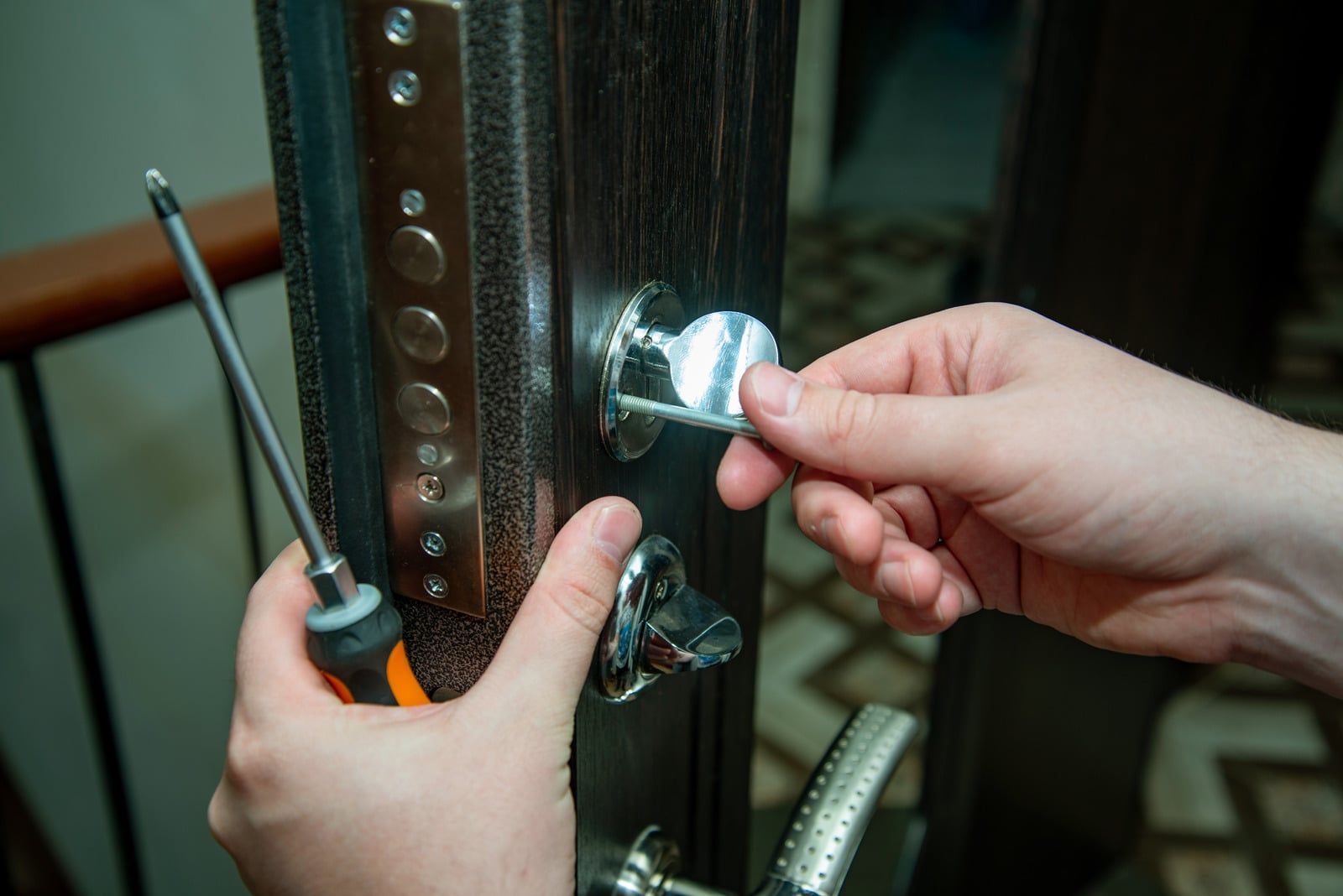
Beyond convenience, smart locks provide an access log that records when the door was opened and by whom, which adds a layer of oversight not available with traditional systems. For landlords, families with older children, or anyone who regularly needs to grant temporary access to tradespeople or visitors, this feature offers real practical value. Installation by a qualified locksmith ensures the system integrates correctly with the existing door and frame without compromising structural security or voiding any warranty.
2. The Enduring Strengths of Traditional Locks
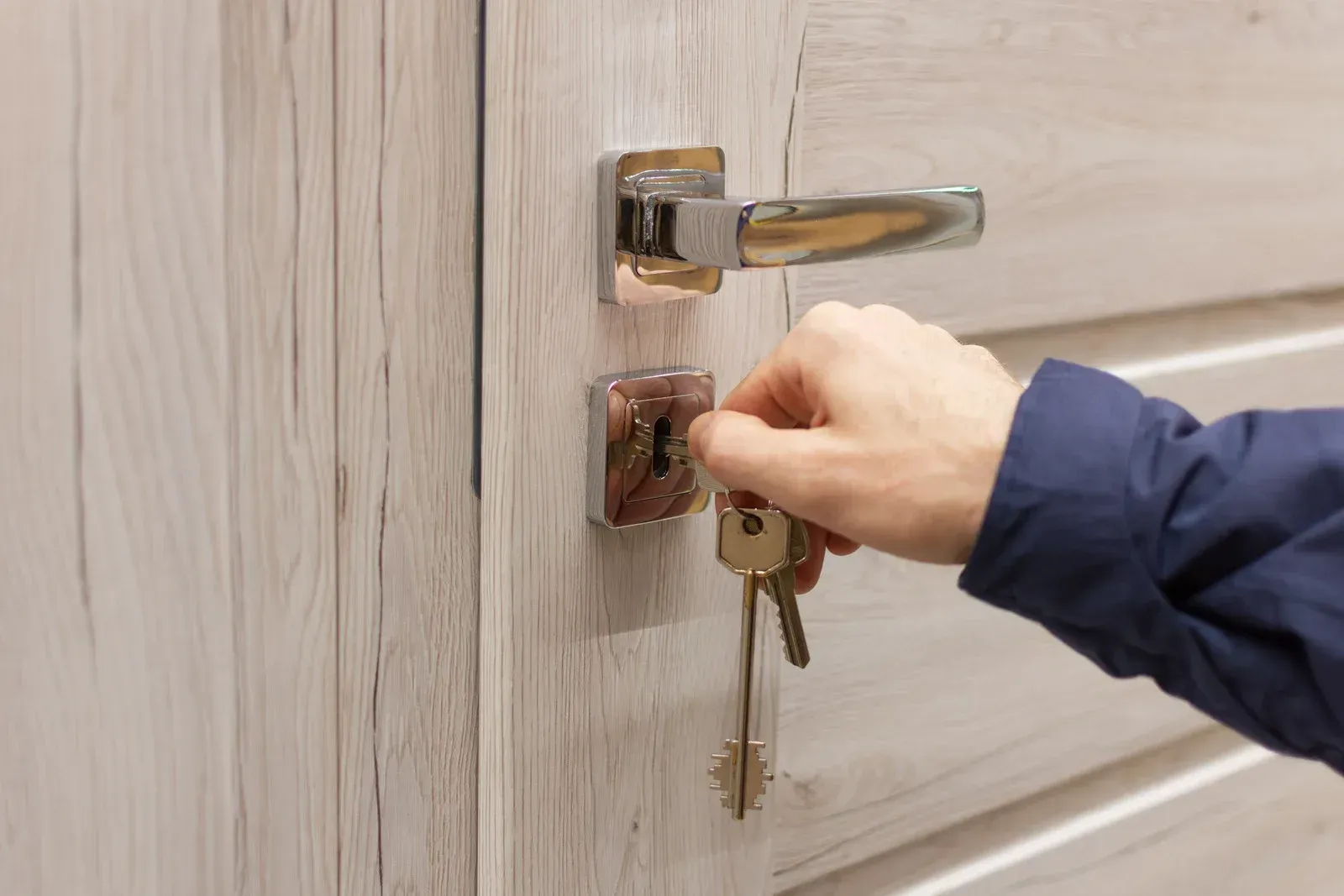
Traditional lock systems, particularly high-quality euro profile cylinders with anti-snap, anti-bump, and anti-pick ratings, continue to provide strong, consistent security without reliance on batteries, software, or wireless connectivity. This independence from power sources is a significant practical advantage. A smart lock with a depleted battery or a connectivity fault can create access difficulties that a mechanical lock simply does not experience under the same conditions.
Modern high-security traditional locks have evolved considerably from the basic cylinders installed in older properties. Correctly specified and professionally fitted, they offer substantial resistance against the forced entry techniques most commonly used in residential break-ins across Newcastle. Their straightforward operation requires no learning curve, no software updates, and no ongoing digital maintenance. For households that prioritise simplicity and want a system that performs predictably under all circumstances, a quality traditional lock remains a strong choice.
3. Security Considerations for Newcastle Properties
The security profile of a Newcastle home influences which locking system is most appropriate. Properties in densely populated urban areas may benefit from smart lock access logging and remote monitoring capabilities, particularly in multi-occupancy buildings or rental properties. In quieter residential streets, the primary concern is often resistance to opportunistic forced entry, where a physically robust traditional cylinder with anti-snap protection provides direct and proven defence.
It is also worth considering the door type and frame condition. Smart locks require sufficient power source access and compatible door preparation, which may involve additional installation work on older UPVC or timber doors. Traditional high-security cylinders can typically be fitted to existing doors without significant modification. A professional assessment helps determine which system is compatible with the existing structure and which offers the most appropriate level of protection given the specific property and household circumstances.
4. Combining Both Systems for Maximum Benefit
The choice between smart and traditional does not have to be binary. Many properties benefit from a combined approach in which a high-security physical cylinder provides the primary mechanical barrier while a smart lock adds access management and monitoring capability on a secondary entry point. This layered strategy captures the resilience of traditional locking alongside the convenience and visibility that smart systems provide.
For properties undergoing renovation or security upgrades, installing both systems as part of a planned approach ensures compatibility and optimal placement from the outset. A locksmith with experience in both smart and traditional systems is best placed to advise on which combination makes practical sense for the layout, usage patterns, and security priorities of the specific home. Investing in the right combination from the start avoids the cost of retrofitting or replacing incompatible components later.
Expert Smart and Traditional Lock Guidance in Newcastle
Choosing between a smart lock and a traditional lock is ultimately a decision about how a household wants to manage security, access, and convenience on a daily basis. Both options have genuine strengths, and the best choice depends on the specific property, the people living in it, and the security risks most relevant to the local area. What matters most is that whichever system is chosen, it is correctly specified and professionally installed to deliver the protection it was designed to provide.
Let Me in Locksmith supports Newcastle, UK homeowners with both smart lock installation and traditional lock upgrades, combining several years of hands-on experience with a thorough understanding of how different systems perform in real residential settings. Every recommendation is based on an honest assessment of the property and the household's needs rather than a preference for one product category over another. Whether the priority is keyless access, physical forced entry resistance, or a combination of both, our approach ensures the right solution is applied with precision and care from the very first visit.