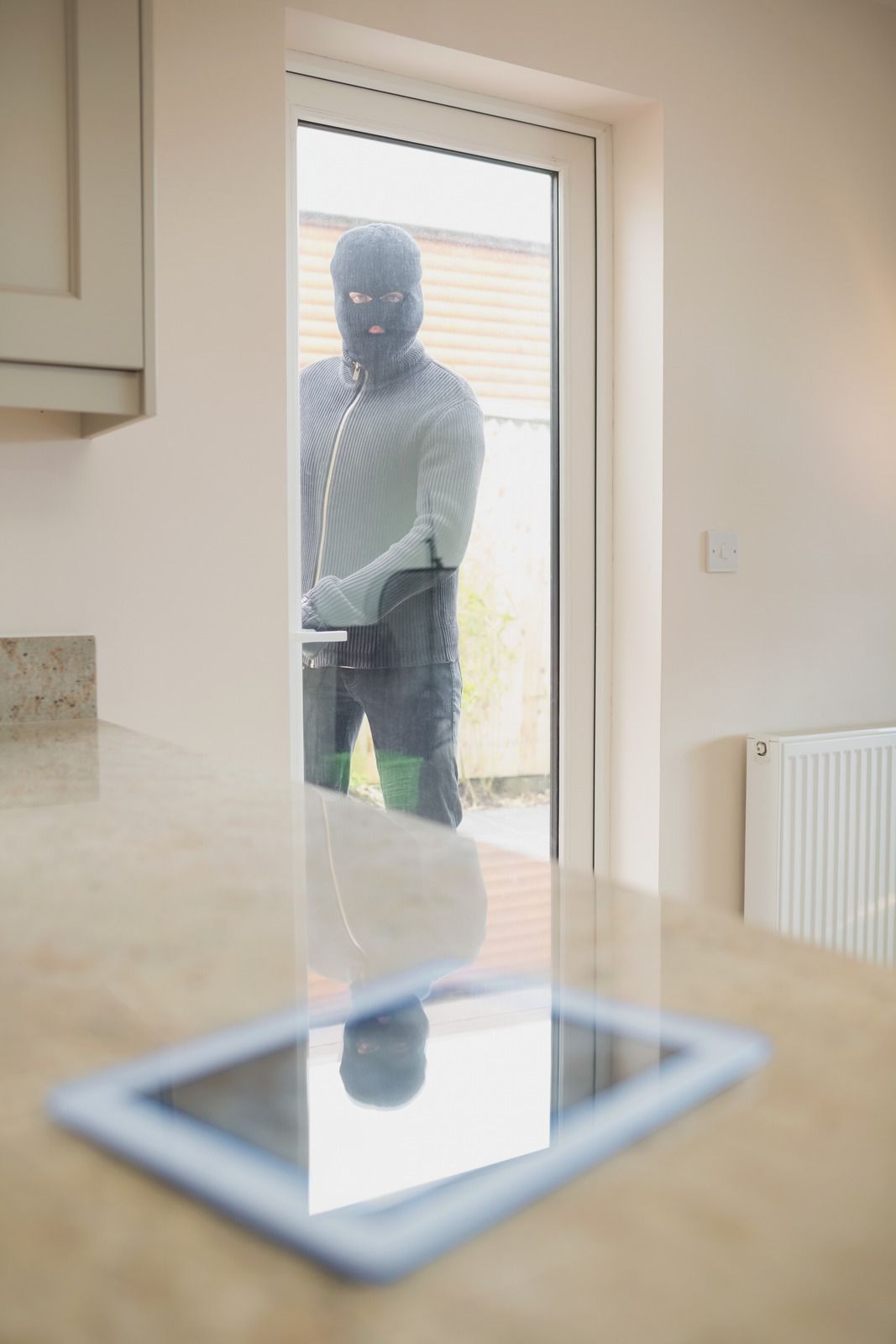
Just Moved In? The Lock Changes Every New Newcastle Homeowner Should Make on Day One
The first day in a new home is usually a whirlwind of boxes, logistics, and the excitement of a fresh start. Security tends to sit low on the list of priorities, overshadowed by the more immediate tasks of unpacking and settling in. Yet the day a property changes hands is precisely when its locks deserve attention, because there is no way of knowing how many keys exist or who still holds them. Approaching the locks methodically on day one, rather than leaving it to chance, is one of the simplest and most effective steps a new homeowner can take.
For anyone moving into a property in Newcastle, the goal is not simply to change one lock and consider the job done. A home has multiple entry points, and a genuinely secure start means addressing each of them in a considered order rather than overlooking the ones that are easy to forget. Knowing which locks to prioritise, which secondary access points carry hidden risk, and how to bring everything under a single coordinated key plan turns a vague intention into a clear, achievable checklist that protects the property from the very first night.
Start With the Front and Back Doors Before Anything Else
The main entrances to a property are the obvious starting point, and for good reason. The front and back doors are the most frequently used access points and the ones most likely to have had keys distributed widely during the previous occupancy. Estate agents, former owners, cleaners, and neighbours may all have held keys to these doors at some point, and there is no reliable way to account for every copy. Changing or rekeying these locks first immediately removes the largest and most likely source of unauthorised access.
Prioritising the main doors also addresses the entrances that any opportunist would naturally try first. A secure front and back door forms the core of a property's defences, and getting these right on day one establishes a solid foundation before attention turns to anything else. For UPVC doors in particular, this is also an opportunity to confirm that the cylinder is correctly specified and properly fitted, since a poorly matched cylinder can undermine even a brand new lock. Starting here ensures the most important entry points are genuinely secure. This foundation matters because everything that follows builds on it. With the main doors confirmed as secure, the new occupant can turn to the rest of the property knowing that the most obvious and most frequently targeted entrances have already been brought firmly under their own control.
The Secondary Entry Points People Forget on Day One
Beyond the main doors, most properties have additional access points that are easy to overlook in the rush of moving in. Side doors, patio doors, French doors, and conservatory entrances all provide a way into the home, and each one may have its own lock with its own unfamiliar key history. These secondary entrances are frequently less visible and less used, which is exactly why they are so often forgotten, yet they offer the same potential for unauthorised access as any front door.
Window locks deserve attention as well, particularly on ground floor windows and any that are easily reached. A property is only as secure as its weakest accessible point, and a thoroughly secured front door offers limited reassurance if a side door or window remains operable with an unknown key. Taking the time on day one to identify every entry point and confirm that each can be secured ensures there are no overlooked gaps. A complete picture of the property's access points is essential to a genuinely secure start. It is far easier to carry out this review thoroughly on the first day than to return to it piecemeal weeks later, by which point the urgency has faded and the gaps are easily forgotten. A single, deliberate sweep of every entrance establishes the full picture while the move is still fresh and attention is focused.
Garage, Outbuilding, and Shared Access Considerations
Garages and outbuildings are commonly excluded from a new homeowner's security thinking, yet they frequently connect to the main property or store valuable items that make them worth protecting in their own right. A garage with an internal door into the house represents a particularly important access point, because gaining entry to the garage can mean gaining entry to the home itself. Any locks on these structures should be assessed and changed alongside the main doors rather than treated as an afterthought.
Properties with shared or communal access introduce further considerations that are easy to underestimate. Where a new home forms part of a building with shared entrances, or where access is governed by a common key system, understanding who holds keys and how that access is managed becomes an important part of securing the property. A locksmith can advise on the appropriate approach for these more complex arrangements, ensuring that shared access does not become an overlooked vulnerability in an otherwise well secured home. These less obvious access points are precisely the ones that opportunists rely on being overlooked. By giving garages, outbuildings, and shared entrances the same consideration as the front door, a new homeowner closes the gaps that a more casual approach to moving day would almost certainly leave open.
Building a Single Coordinated Key Plan From the Start
Once every entry point has been identified, there is real value in bringing them together under a coordinated key plan rather than ending up with a confusing collection of separate keys. A locksmith can often configure multiple locks to operate from a single key, which removes the inconvenience of managing a large and unwieldy set while maintaining security across every door. Establishing this arrangement at the outset is far simpler than trying to retrofit it later once the locks have already been changed piecemeal.
A coordinated approach also makes future management of the property far easier. Whether the home will be owner occupied, shared with family, or let to tenants, having a clear and deliberate key system in place from day one provides both convenience and control. Planning the whole property's security as a single exercise, rather than reacting to each door in isolation, ensures that nothing is missed and that the new occupants begin their time in the home with complete confidence in who can and cannot get in. Setting this up from the beginning saves considerable hassle down the line and reflects a more thoughtful approach to home security overall. A property whose access has been planned as a whole, rather than patched together one lock at a time, is simpler to manage and far more reassuring to live in.
Day One Lock Change Support for New Newcastle Homes
Securing a new home on the first day is not an overreaction. It is a proportionate and sensible response to the simple fact that the key history of any property is impossible to verify. By working through the main doors, secondary entrances, outbuildings, and shared access in a considered order, and by bringing everything together under a single key plan, a new homeowner can eliminate the uncertainty that comes with taking over someone else's locks. The result is a property that feels genuinely secure from the very first night.
Let Me in Locksmith
supports new homeowners across Newcastle, UK, with comprehensive lock change services designed around the realities of moving in, backed by several years of hands on experience across residential properties of every kind. Every assessment considers the property as a whole rather than focusing on a single door, ensuring that no entry point is left overlooked. From main door upgrades to coordinated key systems, our approach delivers a thorough, reliable, and reassuring start to life in a new home, with clear advice at every stage of the process.