Key-Alike Systems: How to Run Your Front, Back and Garage Doors on a Single Key Safely
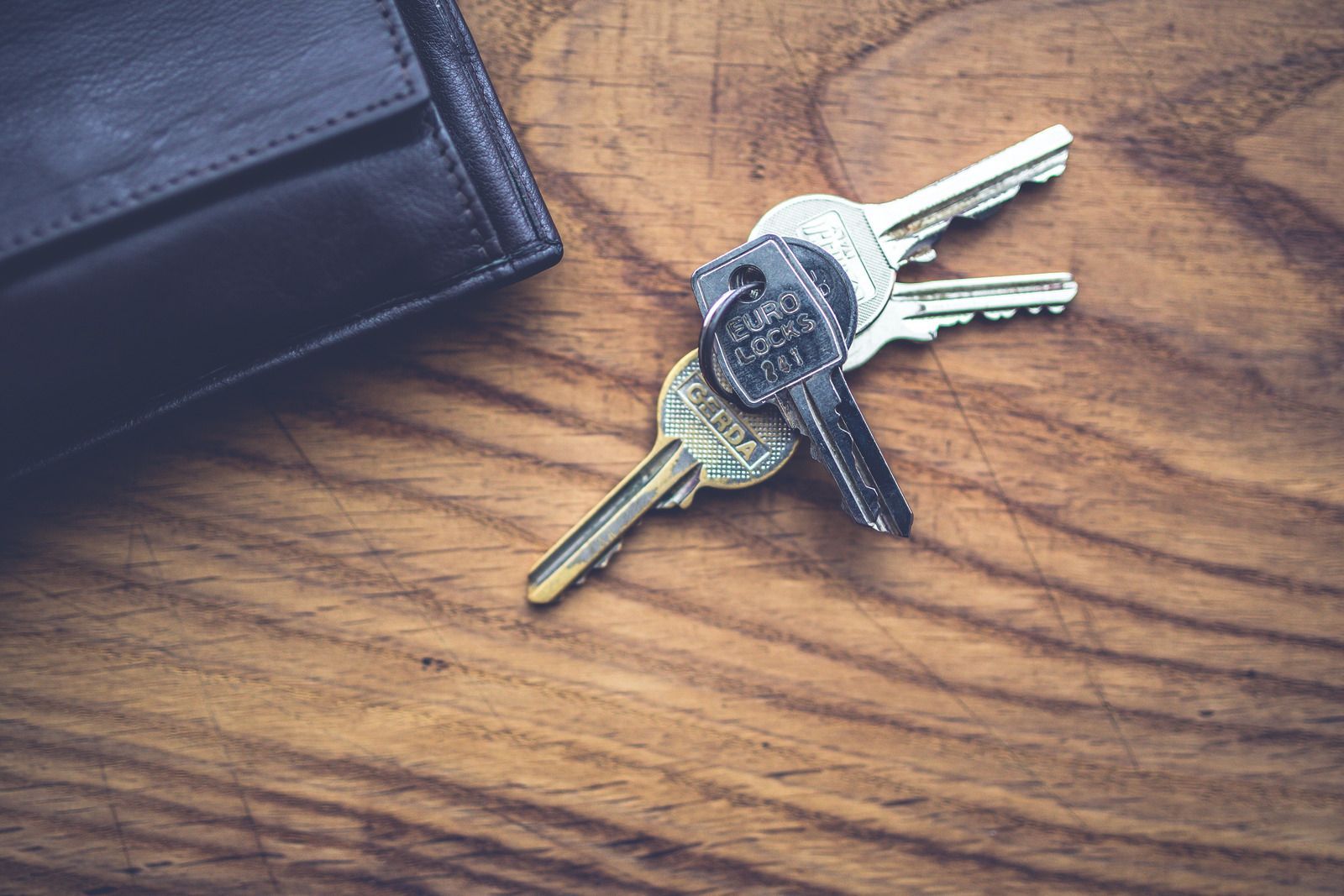
Carrying a heavy ring of near-identical keys and hoping the right one lands in the dark is a daily nuisance for a lot of households. A key-alike system, sometimes called keyed-alike, solves this by setting up multiple locks to open with one identical key. Your front door, back door, and garage can all turn on the same key, which is genuinely convenient. But convenience and security pull against each other here, and setting up a keyed-alike system without understanding the trade-offs can quietly weaken your whole property. Done thoughtfully, though, it streamlines daily life without opening you up to unnecessary risk.
What Keyed-Alike Actually Means
In a keyed-alike setup, several separate locks are configured with the same internal pin arrangement, so a single cut of key operates all of them. This is different from a master-key system, where one key opens everything but each door also keeps its own individual key. Keyed-alike is simpler and flatter: one key, several doors, no hierarchy. It is popular for homes because most people want the same access to every entrance anyway.
The important thing to grasp is that you are deliberately reducing the number of distinct keys protecting your property from several down to one. That is the source of both the benefit and the risk, and it is why the decision deserves a little more thought than most people give it when they simply ask for "one key for everything."
The Genuine Benefits
The convenience is real and worth naming honestly. One key means faster entry, no fumbling, and one spare to cut rather than several. For anyone managing the property, whether it is a busy family, an elderly relative, or a rental, a single key dramatically reduces confusion and the chance of being locked out of one entrance while holding the key to another. It also simplifies handing access to a trusted person, since there is only one key to lend.
For outbuildings and garages that are otherwise neglected, keyed-alike can also encourage people to actually lock them, because doing so no longer means hunting for a separate key. A garage or side gate that previously stayed unlocked simply because its key was a nuisance to find will often start getting locked once it shares the key you already carry, which is a quiet security gain in its own right.
The Security Trade-Offs You Must Weigh
Here is the honest counterweight. With one key opening every door, that key becomes a single point of failure. If it is lost or copied, every entrance is compromised at once rather than just one. The convenience that helps you also helps anyone who obtains the key, which is why a lost keyed-alike key is a more serious event than losing one key from a bunch.
There is a second, subtler issue. To key several locks alike, they generally need to be the same brand and type, and setting them to a shared combination can limit how many unique key differences are available, particularly on budget cylinders. A cheap cylinder keyed alike may share its combination with more locks in the world than you would like. This is why the quality of the cylinders used matters more, not less, in a keyed-alike setup, since you are concentrating all your access into a single combination.
How to Set One Up Safely
The way to enjoy the convenience without inheriting the risk is to build the system on the right foundations:
- Use high-security, anti-snap cylinders throughout, so the single shared key sits behind locks that resist physical attack.
- Choose cylinders that support restricted or patented keys where possible, so the one key cannot be casually copied at a kiosk.
- Keep spare keys to a minimum and know exactly who holds each one.
- Have the whole system rekeyed promptly if a single key is ever lost, since one lost key now affects every door.
- Consider keeping one genuinely separate lock, on a garage or outbuilding holding real value, outside the shared key, so a single lost key does not surrender everything.
The principle is straightforward: because you are concentrating access into one key, you invest in making that one key and its locks genuinely hard to defeat or duplicate.
When Keyed-Alike Is and Isn't a Good Idea
Keyed-alike suits homes where every occupant should have identical access to all entrances, which describes most families. It is less appropriate where different people need different access, for example a lodger who should reach the front door but not the garage, or a home office that needs to stay separate. In those cases a master-key arrangement, keeping individual door keys alongside a master, gives the flexibility keyed-alike deliberately removes.
It is also worth thinking about future needs, not just today's. A household that may take in a lodger, run a business from a spare room, or want to give a carer limited access later on might find a flat keyed-alike system too rigid down the line. Matching the system to how your household actually uses its doors, now and plausibly in future, is what turns a keyed-alike setup from a hidden liability into a clean, everyday convenience.
One Key, Done Properly
The appeal of a single key is easy to understand and easy to underestimate. Get it right, and every door in the property answers to one well-protected key that is hard to copy and hard to attack. Get it wrong, and you have simply given one lost key the run of your home. The difference is entirely in how the system is specified. With several years of setting up keyed-alike and master systems across Newcastle, UK, Let Me in Locksmith builds these arrangements on cylinders that resist snapping and keys that resist casual copying, so the convenience never quietly becomes the weak point. A single key should make life simpler without making your home easier to enter, and that balance is exactly what careful setup delivers.