Why Your UPVC Handle Sags—and the Fix That Lasts
UPVC doors and windows are popular for their durability, energy efficiency, and low maintenance. However, one common issue homeowners face is a sagging UPVC handle. Over time, the handle may droop or feel loose, making it difficult to operate the door or window smoothly. This problem is not only frustrating but can also compromise the security and functionality of your home. Sagging often occurs due to the handle’s internal mechanism wearing out, screws loosening, or improper alignment. Understanding why this happens is the first step toward a solution that lasts, rather than a temporary fix.
The Common Causes of Sagging Handles
Sagging UPVC handles usually result from a combination of mechanical wear and environmental factors:
1. Loose or Worn Screws
The most frequent culprit is the screws securing the handle. Over time, these screws can loosen due to frequent use, causing the handle to sag.
2. Internal Mechanism Wear
UPVC handles operate through an internal spindle and locking mechanism. Continuous use can wear down these parts, leading to misalignment and drooping.
3. Misalignment During Installation
Sometimes, handles are not perfectly aligned with the door or window frame from the start. Even a slight misalignment can cause the handle to sag over months or years.
4. Material Fatigue
UPVC is durable, but the plastic components in handles can degrade due to temperature fluctuations, humidity, or prolonged stress. This can reduce the handle’s structural integrity, causing it to sag or wobble.
5. Poor Quality Replacement Handles
If a handle was replaced previously with a low-quality alternative, it may not fit properly or withstand regular use, leading to sagging.
The Long-Lasting Fix
Addressing a sagging UPVC handle effectively requires more than just tightening the screws. A proper fix includes:
1. Inspecting and Tightening Screws
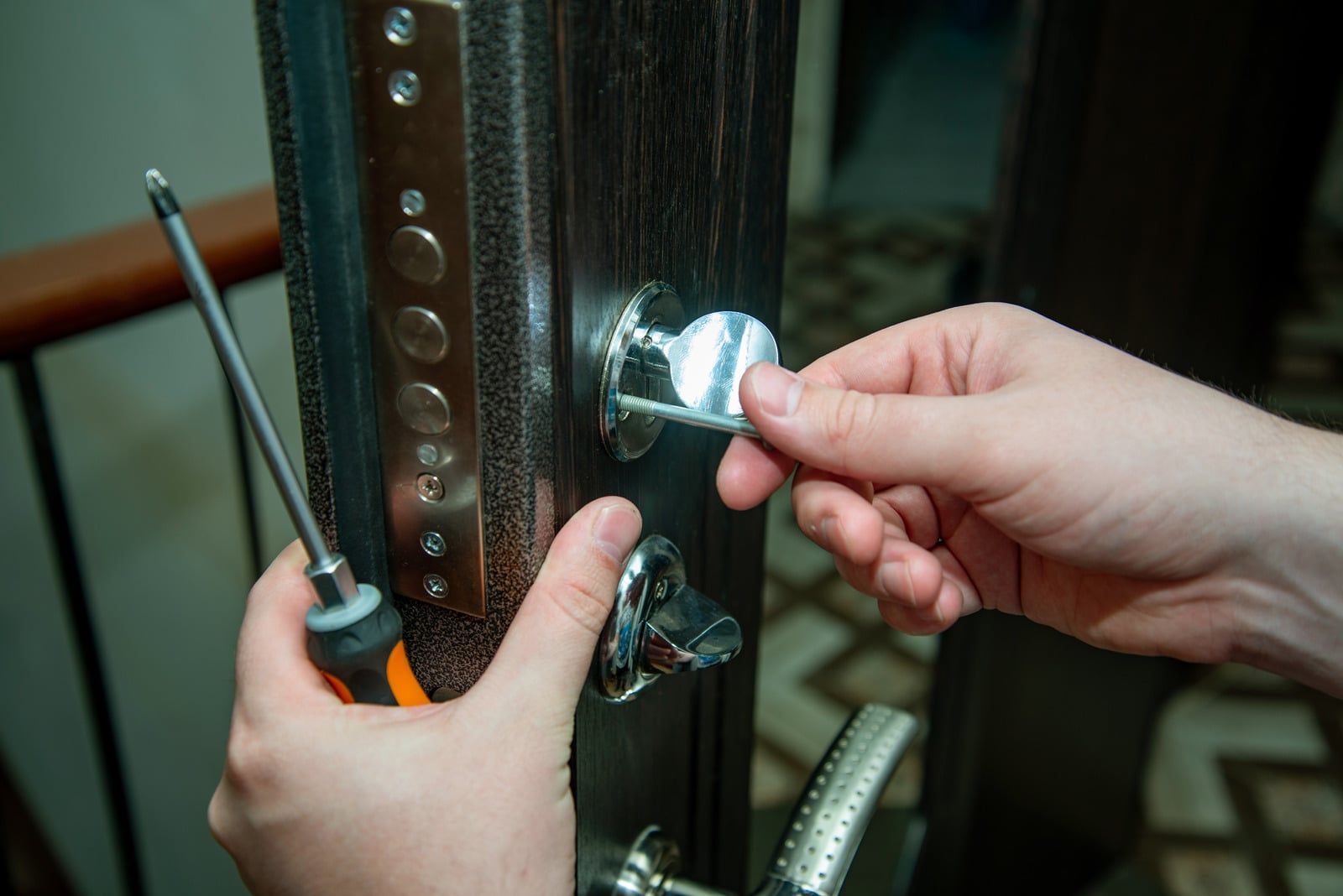
Remove the handle and check all screws for wear. Replace any stripped screws with high-quality ones that fit snugly into the frame.
2. Checking the Spindle and Mechanism
Examine the internal mechanism. If it’s worn, replacing the handle entirely is often more effective than attempting a repair.
3. Realigning the Handle
Ensure the handle is perfectly aligned with the door or window lock. Misalignment can lead to repeated sagging even after a repair.
4. Using Reinforced or Premium Handles
Choosing a high-quality handle with reinforced components can prevent sagging in the future, offering a more durable solution that withstands everyday use.
5. Professional Installation
For the most reliable results, a professional locksmith or UPVC specialist can install or replace the handle, ensuring it functions smoothly and lasts longer.
By addressing both the symptoms and underlying causes, you can ensure your UPVC handles operate flawlessly and maintain the security of your home.
Reliable UPVC Handle Repairs in Newcastle
At Let Me in Locksmith, we specialize in
UPVC door and window handle repairs and replacements. With several years of experience serving homeowners across Newcastle, UK, we understand the common issues that cause handles to sag and offer solutions that last. Our team ensures precise alignment, premium replacement parts, and professional installation, restoring both functionality and security. If you’re struggling with a drooping handle, trust Let Me in Locksmith
to provide a long-term solution that keeps your doors and windows operating smoothly for years to come.